
Soldanella minima
Soldanella minima
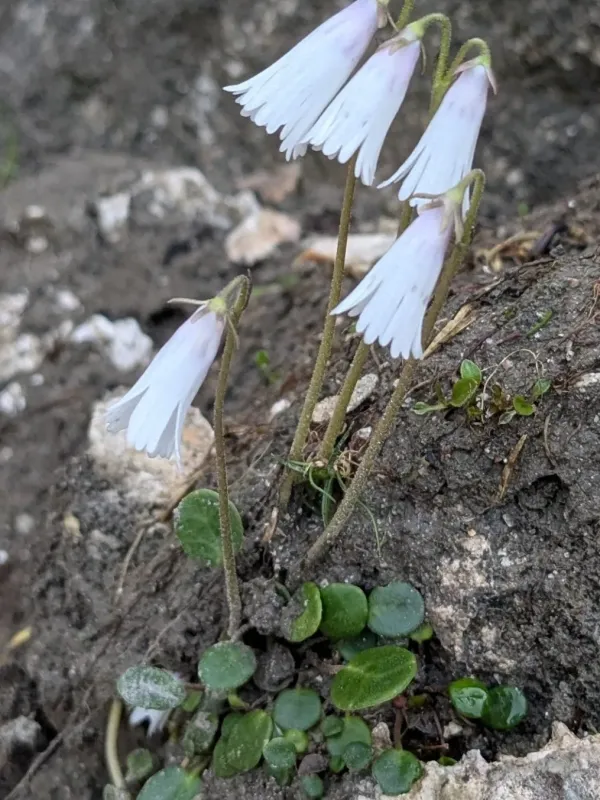
Description
Sowing dates
Propagation of Soldanella minima is typically achieved through seeds, which should be sown immediately after collection to ensure maximum germination rates.
The seeds require a period of cold stratification to break dormancy, making autumn sowing in pots or trays the most reliable method for success.
These trays should be kept in a cold frame or under natural winter conditions to simulate the plant's native alpine environment.
Seedlings are notoriously slow-growing, necessitating careful maintenance and protection from drying out during their first crucial growing season.
Transplanting into final containers or rock garden sites should be done only when the root system is sufficiently developed to handle the move.
Growing requirements
Soldanella minima belongs to the Primulaceae family and is a specialized mountain plant native to the limestone formations of the Eastern Alps.
Its natural habitat ranges from high-altitude scree slopes to moist alpine meadows, where it thrives under a long period of snow cover.
In cultivation, the species requires a well-drained, porous substrate mixed with grit or small limestone chips to prevent moisture stagnation.
The soil should ideally be neutral or slightly alkaline, mimicking the chemical composition of the limestone mountains it naturally inhabits.
Partial shade is essential, as the plant is highly sensitive to intense midday heat and dry conditions that deviate from its cool, alpine niche.
Main diseases and pests
The primary threats to Soldanella minima in a garden setting involve root and crown rot, which occur when drainage is insufficient during the spring thaw.
High humidity combined with poor air circulation can encourage fungal infections that affect the dense basal rosette of the plant.
Garden pests, specifically slugs and snails, are major threats that feed on the soft, succulent foliage, often causing significant aesthetic damage.
Physiological stress caused by sudden heatwaves during summer can weaken the plant, making it prone to opportunistic pests and secondary diseases.
Management involves ensuring consistent moisture without saturation, regular monitoring for pests, and maintaining a cool, well-ventilated location in the garden.