
Soldanella hybrids
Soldanella hybrids
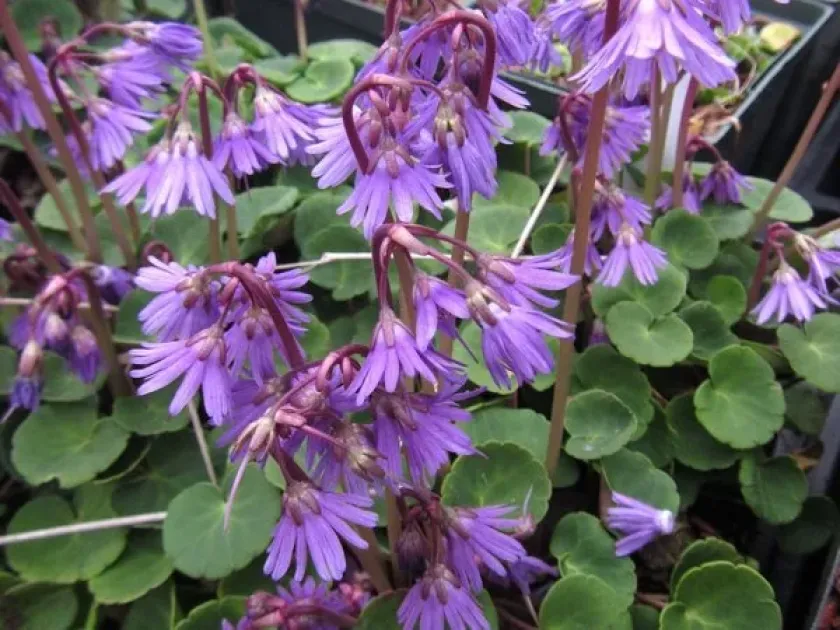
Description
Sowing dates
Propagation of Soldanella hybrids is typically achieved through seeds or division of mature clumps. Seeds require a period of cold stratification, making late autumn sowing in containers ideal to simulate natural winter cycles.
Germination is often slow and erratic. Keeping the containers in a cold frame or a sheltered area outside where temperatures remain between 0–5 degrees Celsius is essential for breaking seed dormancy.
Seedlings remain small and delicate for a long time. Pricking them out should be deferred until the plants are large enough to handle, typically after their first full growing season in the nursery stage.
Vegetative division is best performed in early spring or immediately after flowering. Each division must retain a portion of the root system and should be planted promptly to prevent desiccation of the delicate roots.
When transplanting, ensure the crown of the plant remains at soil level. Burying the crown too deep often leads to rot, while leaving it too exposed causes the plant to dry out prematurely.
Growing requirements
Soldanella hybrids belong to the Primulaceae family, known for their unique alpine heritage. These plants thrive in environments that mimic high-altitude conditions, characterized by cool temperatures and high atmospheric moisture.
The site selection should prioritize semi-shaded spots in the rock garden. Direct sun during the heat of the day should be avoided, as it causes rapid transpiration and can stress the plant, leading to leaf scorching.
The growing medium must be highly permeable, acidic to neutral in pH, and rich in humus. Adding perlite, grit, or sand to the soil mixture improves drainage, which is crucial for preventing waterlogging in the root zone.
Regular but controlled watering is essential. The soil must be kept moist at all times but never saturated. Using a mulch of small gravel around the plant base helps maintain soil temperature and moisture levels.
Winter care involves providing sufficient snow cover or protection from deep, drying frosts. In regions without reliable snowfall, a light layer of evergreen boughs acts as a buffer against temperature fluctuations.
Main diseases and pests
Root rot is the most common threat, usually resulting from poor soil drainage or excessive humidity around the crown. Regular inspection for signs of decay, such as discolored or mushy leaves, is vital for early detection.
Slugs and snails represent a constant challenge in rock gardens. These pests are particularly active during damp weather and can consume young shoots and flower buds overnight, necessitating the use of deterrents.
Aphids can occasionally cluster on the flowering stalks, sapping nutrients and reducing the vitality of the plant. A mild insecticidal soap solution or mechanical removal is generally sufficient to manage infestations.
Nematode infestation may weaken the entire plant. Once detected, infected specimens should be removed and destroyed to prevent the spread to adjacent alpine plants, as chemical control in home gardens is often ineffective.
Maintaining air circulation around the plants is a key preventive measure against fungal diseases like botrytis or powdery mildew, which thrive in stagnant, humid environments.