
Soldanella hungarica
Soldanella hungarica
Description
Sowing dates
Propagating Soldanella hungarica is typically achieved through seeds, which require a period of cold stratification to break dormancy. Sowing should ideally be performed in late autumn, allowing the seeds to experience winter temperatures naturally, which significantly improves germination rates.
The growing medium for seeds must be light, well-draining, and composed of a mixture of peat, fine sand, and leaf mold. Seeds should be sown on the surface and covered with a very thin layer of grit to maintain stability without preventing light access.
Germination is often slow and erratic, requiring patience and a stable environment protected from direct sunlight and extreme drying. Keeping the seed tray in a cool frame or an unheated greenhouse provides the best results for seedling development.
Once seedlings are large enough to handle, they are transplanted into individual small pots. Care must be taken not to disturb the delicate root system, as young plants are particularly sensitive to shock and rapid environmental changes.
Vegetative propagation via division of mature clumps is possible immediately after flowering. This process should be done with extreme care, ensuring each division retains a healthy portion of roots and leaves to encourage rapid establishment in a new spot.
Growing requirements
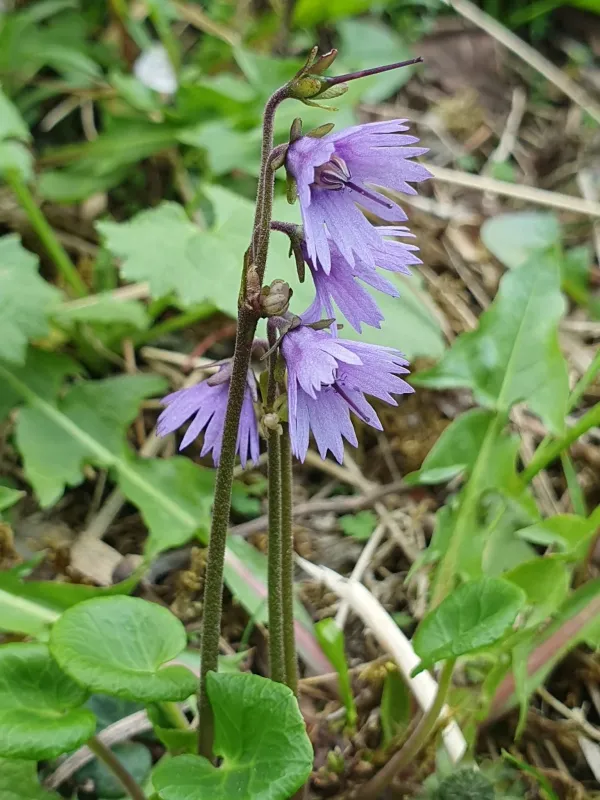
Soldanella hungarica, a member of the Primulaceae family, is a captivating mountain perennial native to the Carpathian region. It is highly valued in rock gardens for its ability to produce delicate, fringed bell-shaped flowers early in the spring season.
The plant thrives in cool, semi-shaded locations with moisture-retentive but perfectly draining soil. A slightly acidic to neutral substrate enriched with organic matter provides the ideal conditions for the plant's long-term health and vigorous growth.
High air humidity and protection from scorching summer heat are crucial for success. In lower-altitude gardens, providing a mulch of fine stone chippings around the collar of the plant helps to conserve moisture and keep the root zone cool during the warmer months.
Botanically, the plant is characterized by its compact habit, featuring leathery, rounded basal leaves that provide a lush contrast to the airy floral display. It requires a steady supply of moisture throughout the growing season and cannot tolerate drying out.
Maintenance involves regular weeding to ensure the plant does not face competition for resources. Given its slow growth rate, proper placement in an alpine garden or a specially prepared trough is essential for long-term viability.
Main diseases and pests
The primary threats to Soldanella hungarica involve fungal pathogens, particularly in areas with poor airflow and excessive moisture levels. Root rot is the most common cause of decline, often triggered by waterlogged soil conditions.
Slugs and snails are frequent pests that can cause significant damage to the foliage and flower buds overnight. Gardeners often use copper barriers or organic slug pellets to mitigate these risks in moist garden environments.
Aphids may occasionally infest the plant during spells of dry weather, sucking the sap and weakening the plant's overall structure. Monitoring the plants regularly allows for the early detection and management of these pests before they reach a critical mass.
Soil-borne nematodes can impact the root health, leading to stunted foliage and reduced flowering. Ensuring that new plants are sourced from reputable growers and keeping the surrounding soil healthy and well-mulched can help prevent such infestations.
Overexposure to intense direct sunlight leads to leaf scorch, which opens the door for opportunistic secondary infections. Proper site selection—specifically ensuring the plant is in a sheltered, cool spot—is the best preventative measure against most abiotic stresses.