
Soldanella carpatica
Soldanella carpatica
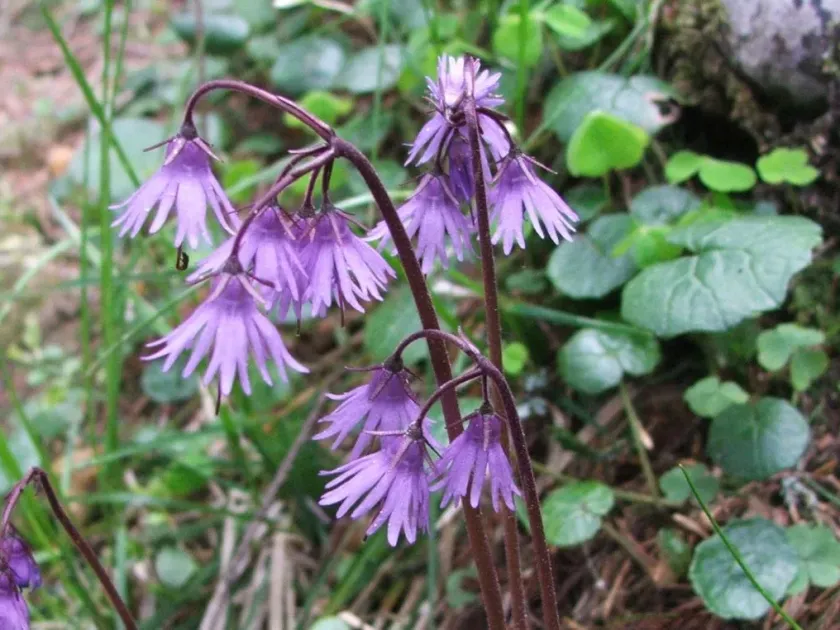
Description
Growing requirements
Soldanella carpatica is a perennial herb belonging to the Primulaceae family. Native to the Carpathian Mountains, this species is highly valued in rock gardening for its distinctive bell-shaped flowers that bloom early in the spring season.
The plant thrives in cool, moist, and well-drained environments, mimicking the rocky crevices of its alpine home. It is essential to maintain a stable environment with high humidity and a consistent temperature range that prevents the plant from overheating.
The soil should be acidic or neutral, rich in organic matter, and heavily amended with gravel or stone chips to ensure excellent drainage. Stagnant moisture is the primary enemy of this species, leading to rapid root decay if drainage is inadequate.
Ideal placement for this plant is in a semi-shaded area where it is protected from the intense afternoon sun. Using north-facing slopes in a rock garden or protected containers is often the most effective way to manage its strict sunlight requirements.
Regular maintenance involves checking the moisture levels of the substrate and ensuring that the plant is never left to dry out completely. During hot spells, a light misting of the surrounding foliage can help maintain a more favorable microclimate for the plant.
Main diseases and pests
The most significant threat to Soldanella carpatica is root rot caused by poor soil drainage and waterlogging. It is crucial to monitor the base of the plant, as moisture trapped around the crown can encourage fungal pathogens and lead to rapid plant collapse.
Slugs and snails are common pests that feed on the soft leaves and emerging flower buds. Implementing physical barriers such as copper tape or crushed eggshells around the base can help deter these mollusks and protect the delicate parts of the plant.
Powdery mildew can occur if the plant is grown in conditions with poor air circulation or excessive crowding. Maintaining appropriate spacing between plants and ensuring good ventilation is key to reducing the incidence of such fungal infections.
Root system damage by soil-dwelling insects or rodents can weaken the plant and make it susceptible to opportunistic infections. Monitoring the soil surface for signs of burrowing is recommended to prevent accidental damage to the root system.
Overwintering requires careful attention to ensure that the plant does not rot during periods of thawing. Ensuring that the ground does not stay waterlogged during late winter is critical for the survival and subsequent spring growth of the Soldanella.