
Solanum fernandezianum
Solanum fernandezianum
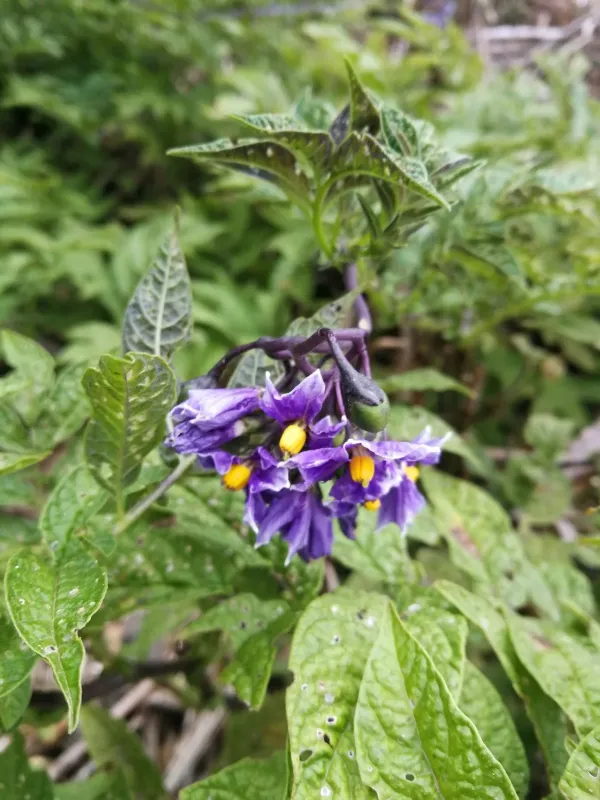
Description
Growing requirements
Solanum fernandezianum is a distinct species within the Solanaceae family, native to the remote Juan Fernandez Islands in the Pacific Ocean. As a wild relative of the common potato, it is highly valued in botanical research and conservation programs.
The climate requirements for this plant are defined by its isolated oceanic origin. It thrives in environments with high humidity and stable temperatures, lacking the extreme seasonal fluctuations found in mainland agricultural regions.
Regarding soil conditions, Solanum fernandezianum prefers well-draining, nutrient-rich substrates, often resembling the volcanic soils of its natural habitat. Good soil aeration is essential to prevent physiological disorders related to root suffocation.
The plant requires precise moisture management. It is adapted to frequent light rainfall and maritime mists, making it susceptible to moisture stress if exposed to prolonged drought or excessively dry indoor environments.
Light levels should be carefully managed during cultivation. While it requires light for optimal growth, excessive direct sunlight can cause leaf scorching, particularly when combined with high temperatures, necessitating a strategy of filtered or diffused light.
Main diseases and pests
Major threats to Solanum fernandezianum include late blight (Phytophthora infestans), which can decimate populations if humidity and temperature profiles are not strictly controlled. Like other wild Solanum species, it possesses specific susceptibility profiles.
Viral infections are a critical concern, as the species may lack the robust resistance found in commercial potato varieties. Aphid-transmitted viruses can cause severe stunting and systemic damage to the plant's vascular structure.
Pests such as spider mites and whiteflies are particularly dangerous in controlled environment agriculture. These organisms reproduce rapidly and can weaken the plant, making it more susceptible to secondary pathogenic infections.
Soil-borne pathogens, including Rhizoctonia and Pythium species, represent a significant risk. These fungi thrive in poor drainage conditions, directly attacking the root system and limiting nutrient uptake.
Effective management requires strict biosecurity protocols to prevent the introduction of common potato diseases into collections of this rare species. Integrated pest management, focusing on biological controls rather than harsh chemicals, is generally preferred for preserving genetic integrity.