
Sobennikoffia fournieriana
Sobennikoffia fournieriana
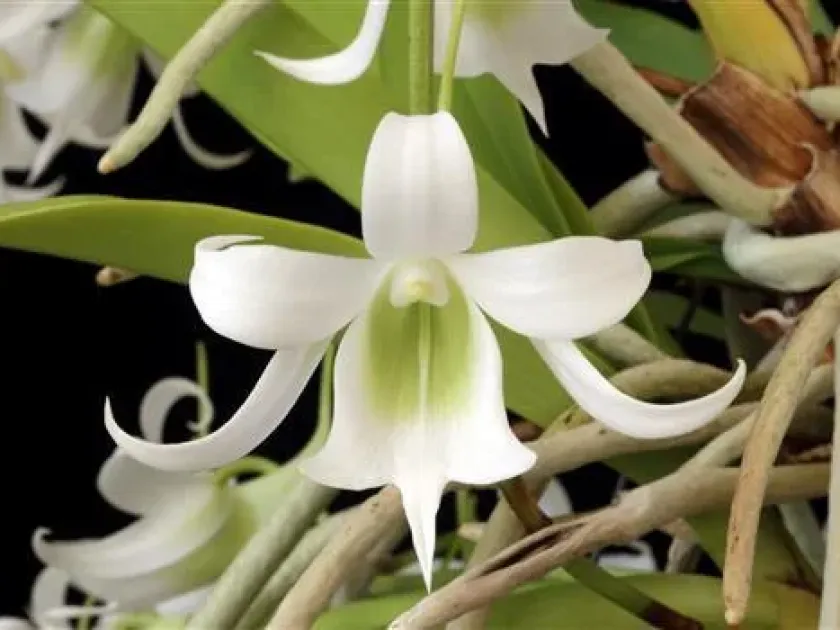
Description
Growing requirements
Sobennikoffia fournieriana is a rare epiphytic orchid species belonging to the family Orchidaceae. Native to the island of Madagascar, this species is highly regarded by orchid enthusiasts for its unique architectural form and elegant, fragrant flowers that appear in long, slender inflorescences.
As an epiphyte, the plant naturally grows on tree trunks and branches, which dictates its specific horticultural requirements. It needs a specialized substrate that mimics its natural habitat, typically consisting of coarse conifer bark, perlite, and charcoal to provide the necessary aeration for its thick, fleshy roots.
Climatic requirements for this species are strict. It thrives in high-humidity environments (above 70%) and prefers stable temperatures ranging from 20°C to 28°C. Providing consistent airflow is critical to preventing fungal pathogens, especially in an indoor or greenhouse setting.
The watering regime must be precise; it is best to use a soak-and-dry method, allowing the substrate to become nearly dry before the next watering session. The use of rainwater or distilled water is recommended, as this species can be sensitive to the mineral buildup common in tap water.
The primary use of this plant is in specialized collections and botanical conservation. It serves as an important example of Madagascar's biodiversity, and successful cultivation contributes to the ex-situ conservation of this delicate orchid species within the global horticultural community.
Main diseases and pests
The most significant threat to Sobennikoffia fournieriana is root rot, typically caused by poor drainage or overwatering. Maintaining a balance between hydration and aeration is the most effective way to avoid bacterial and fungal decay of the root system.
Pests such as scale insects and spider mites are frequent invaders in controlled environments. These pests thrive in dry, stagnant air, emphasizing the need for regular leaf inspection and adequate humidity management to keep populations under control.
Viral infections pose a significant risk to the longevity of these orchids. Once a plant is infected with a virus, there is no cure, necessitating strict hygiene practices, such as sterilizing cutting tools between plants to prevent the spread of pathogens through the collection.
Environmental stress, such as extreme temperature fluctuations or exposure to harsh, direct sunlight, can weaken the plant's natural defenses. This stress often manifests as chlorosis or stunted leaf development, making the plant more susceptible to opportunistic secondary infections.
Improper fertilization can also lead to nutrient toxicity. Since Sobennikoffia species are not heavy feeders, a diluted, balanced fertilizer applied sparingly during the active growing season is sufficient to support healthy growth without damaging the sensitive root hairs.