
Smicrostigma viride
Smicrostigma viride
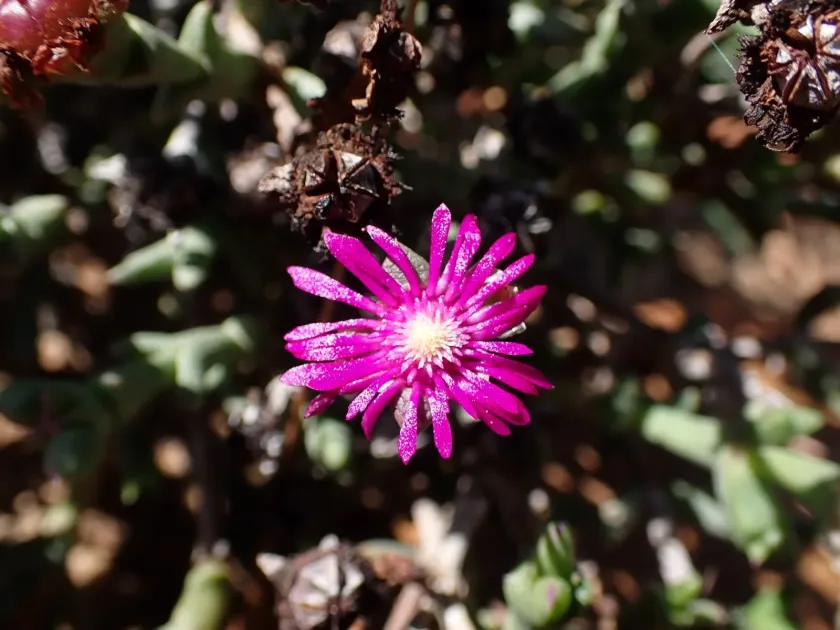
Description
Sowing dates
Smicrostigma viride belongs to the Aizoaceae family and is a specialized succulent native to the arid regions of South Africa. Cultivation of this plant requires a deep understanding of its natural environment, which is characterized by seasonal rainfall patterns.
Propagation is primarily achieved through seeds sown in a highly mineral-based, porous substrate. The sowing medium should consist of fine sand and crushed pumice to ensure proper aeration and prevent damping-off diseases during germination.
Seeds are typically sown on the surface and kept in a warm environment with temperatures ranging from 20 to 25 degrees Celsius. Germination usually occurs within a few weeks if the moisture level is kept consistently stable but not excessive.
Seedlings are extremely delicate and require a slow transition to a drier growth environment. Over-watering at this stage is the most common cause of failure, leading to rapid decay of the tiny, developing plants.
Growth is generally slow, making the plant a long-term project for collectors and nursery growers. Patience is required, as the characteristic succulent structure forms over several months of steady, controlled development.
Growing requirements
The soil requirements for Smicrostigma viride are strict: the medium must be lean, gritty, and fast-draining. A typical mix includes 70% inorganic materials like perlite or grit and 30% organic substrate to support healthy root architecture.
Light exposure is the most critical factor for maintaining the plant's health. It requires direct, bright sunlight to stay compact and develop its natural coloration; shade-grown plants will inevitably lose their structural integrity and become etiolated.
Temperature management should follow seasonal changes, providing warmth during the active growing phase and cool, dry conditions during winter dormancy. Temperatures below 10 degrees Celsius should be avoided to prevent frost damage to the leaves.
Watering must be strictly regulated based on the substrate moisture level. During the summer, water only when the medium is completely dry, and in winter, keep the plant almost entirely dry to prevent the roots from rotting in cold conditions.
Fertilization should be kept to a minimum, using low-nitrogen liquid fertilizers intended for cacti. Over-fertilization leads to unnatural, rapid growth that weakens the plant's cell walls and makes it susceptible to opportunistic pathogens.
Main diseases and pests
Root rot is the most significant threat to Smicrostigma viride, usually triggered by poor drainage or over-watering. Once the root system is compromised, recovery is difficult and often requires aggressive pruning and re-rooting.
Mealybugs are the most common pests found in the leaf axils of the plant. They thrive in dry conditions and can multiply rapidly, necessitating regular inspection and immediate treatment with systemic insecticides or contact sprays.
Spider mites can become a nuisance during hot, dry periods, causing fine stippling and yellowing on the leaf surfaces. High-quality acaricides are necessary to control outbreaks without damaging the delicate, waxy epidermis of the succulent.
Fungal infections can develop if there is insufficient air circulation around the plant. Proper spacing and the use of fans in greenhouses help mitigate this risk by ensuring that the leaf surfaces remain dry after any accidental moisture exposure.
Preventive maintenance includes regular cleaning of the growing area and strict quarantine procedures for any new additions to the collection to prevent the introduction of pests and diseases.