
Sisyrinchium rosulatum
Sisyrinchium rosulatum
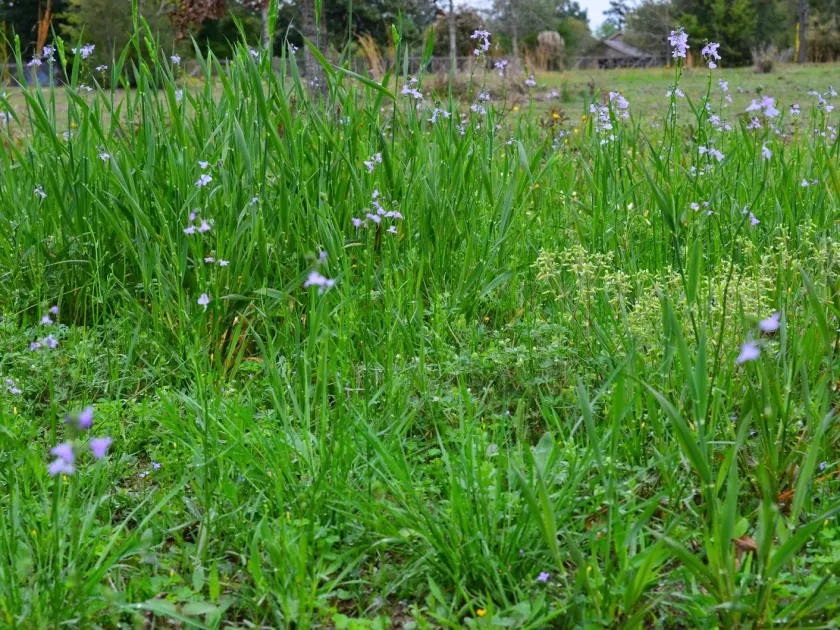
Description
Sowing dates
Sisyrinchium rosulatum belongs to the Iridaceae family and is recognized for its characteristic rosette growth habit. It is primarily propagated by seeds, which can be sown directly in the field or in controlled environments.
For outdoor sowing, the optimal time is early spring when soil temperatures reach at least 10–12 degrees Celsius. Seeds should be covered with a thin layer of soil to ensure proper contact and moisture retention.
Greenhouse propagation involves sowing seeds in late winter to secure strong seedlings for the transplanting season. Maintaining a stable temperature of 20 degrees Celsius is critical for uniform germination.
Seedlings need to be hardened off gradually before being moved to their permanent location. Proper spacing of 15 to 20 cm is essential to allow adequate ventilation around the base of the rosette.
Consistent moisture is required during the initial germination phase. Once established, the plants demonstrate high survival rates in varied field conditions provided the drainage is adequate.
Growing requirements
This species thrives in full sun, which is vital for the development of its distinctive rosette and subsequent flowering. Partial shade is tolerated in regions with extreme summer heat.
Well-drained, sandy or loamy soils are preferred. The culture is highly sensitive to waterlogged soils, which frequently lead to root rot and loss of plant vigor within a short timeframe.
Soil pH should ideally range from slightly acidic to neutral. Amending heavy soils with organic matter and grit is a standard agronomic practice to improve structure and aeration.
Irrigation management is key: regular watering is required during the active growing season, but the soil should be allowed to dry slightly between applications to prevent saturation.
The plant is moderately hardy. In colder climates, protecting the crown with organic mulch helps the plant survive winter frosts and emerge vigorously in the following spring.
Main diseases and pests
Fungal diseases related to high humidity and poor soil drainage are the most common threats to Sisyrinchium rosulatum. Root rot and leaf spot are the primary manifestations of these issues.
Slugs and snails pose a risk during damp weather, as they feed on the succulent tissues of the rosettes. Implementing physical barriers or organic baits is an effective control strategy.
Aphids may infest the plant during the floral initiation stage, potentially reducing seed production and plant aesthetic quality. Systemic insecticides may be used if infestations become severe.
Proactive monitoring is essential to detect early signs of stress or pest pressure. Removing infested leaves and ensuring proper spacing between plants are the best preventive measures.
Maintaining soil surface cleanliness is crucial to prevent the accumulation of moisture and pathogens around the base, which significantly improves the health of the planting.