
Sisyrinchium platense
Sisyrinchium platense
Description
Growing requirements
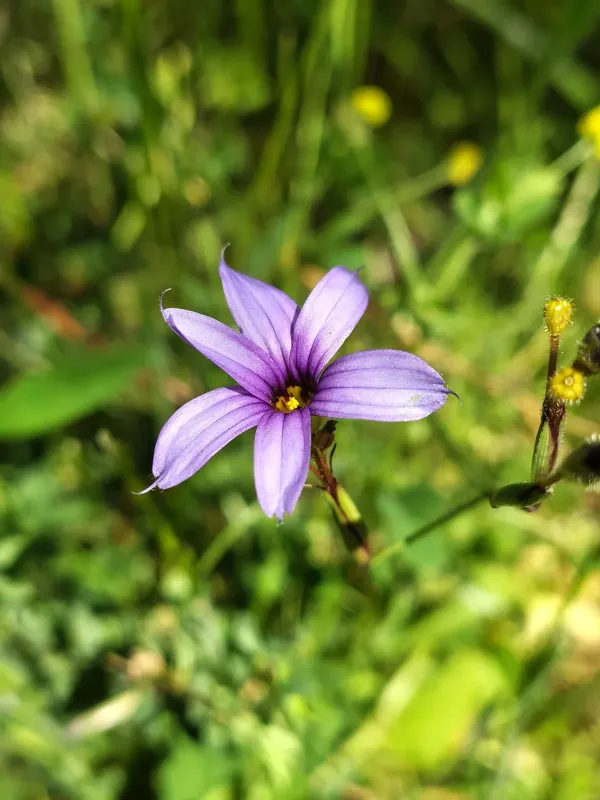
Sisyrinchium platense, commonly known as a species of blue-eyed grass, is a perennial flowering plant within the Iridaceae family. Native to the grasslands of South America, specifically the Rio de la Plata region, it is valued for its delicate beauty and resilience in specific environmental niches.
The plant thrives in well-drained, sandy loam soils with a neutral pH balance. Agronomic success relies on preventing waterlogged conditions, which are highly detrimental to the fibrous root system of this species. Raised beds or slopes are ideal for ensuring proper moisture management.
Regarding climate, this plant prefers temperate conditions with ample sunlight. While it is hardy in many respects, providing a layer of protective mulch during colder months is a recommended agronomic practice to insulate the crown and roots from severe frost damage.
Soil preparation should involve the incorporation of organic matter to improve aeration and nutrient levels. Consistent but moderate irrigation is essential during the spring growth phase, whereas late-summer water management should lean towards dryness to allow the plant to prepare for dormancy.
For optimal development, annual fertilization with a low-nitrogen, balanced fertilizer is beneficial. This encourages healthy root growth and long-term vitality, preventing the plant from becoming leggy or overly susceptible to environmental stresses.
Main diseases and pests
The most common threat to Sisyrinchium platense is fungal decay of the roots, primarily triggered by excessive soil moisture and poor drainage. Ensuring that the crown remains dry and the soil is porous significantly mitigates this risk.
Aphids and thrips can occasionally infest the foliage, particularly during the peak of the flowering season. Integrated pest management, including the use of horticultural oils or systemic insecticides, is effective if populations exceed the threshold of economic damage.
Leaf spot diseases may occur in stagnant, high-humidity environments. Improving air circulation around the plants through correct spacing and regular thinning of old foliage serves as a crucial preventive measure in commercial and garden settings.
Slugs and snails pose a threat to young shoots, especially in early spring. Installing physical barriers or utilizing iron phosphate-based bait is the standard approach for protecting young plantations without disrupting the local ecosystem.
Regular sanitation, which involves the removal of dead organic material around the base of the plant, reduces the habitats for harmful pathogens and insects. This simple maintenance step remains the cornerstone of effective disease management for this species.