
Sisyrinchium patagonicum
Sisyrinchium patagonicum
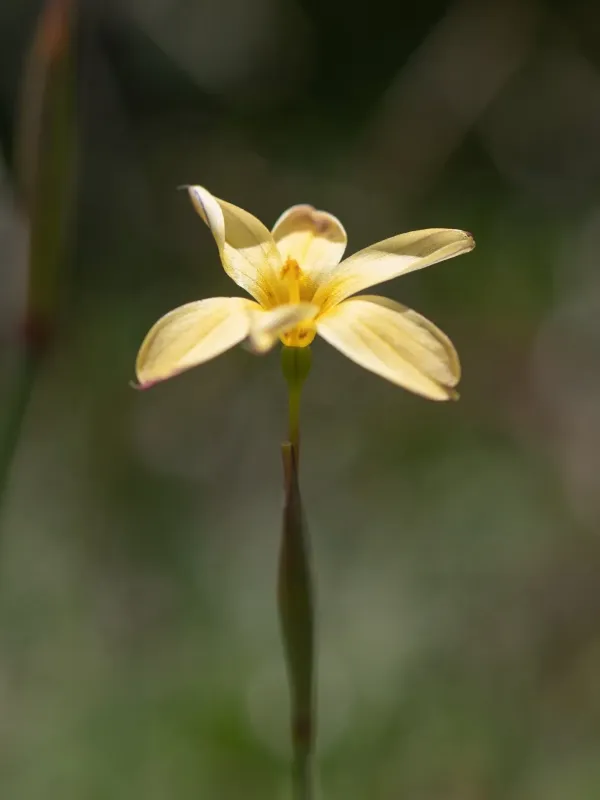
Description
Growing requirements
Sisyrinchium patagonicum is an herbaceous perennial plant belonging to the Iridaceae family. It is known for its graceful appearance, featuring narrow, grass-like leaves and attractive, often bright yellow or pale blossoms that resemble small irises.
Native to the southern regions of South America, specifically Patagonia, this species has adapted to cool, moist environments. Its natural habitat includes open meadows and riverbanks, where it thrives in temperate climatic zones with plenty of light.
The culture requires well-drained, gritty soil to prevent root rot, which is a common issue in poorly aerated environments. While it prefers sunny locations, it can tolerate partial shade in hotter regions to protect the delicate foliage from excessive heat.
Watering requirements are moderate; the plant needs consistent moisture during the growing season but demands excellent drainage, particularly throughout the winter months when dormancy occurs and the root system is vulnerable.
In ornamental use, Sisyrinchium patagonicum is highly valued for rock gardens, borders, and alpine-style landscaping. Its compact growth habit and naturalistic look make it an excellent choice for modern ecological garden designs.
Main diseases and pests
The primary threat to this plant is root rot caused by poor soil drainage and waterlogging. Ensuring a light, sandy, or gravel-amended soil mix is the most effective preventative measure against fungal pathogens that target the root crown.
Slugs and snails are frequent pests, particularly in damp springs, as they find the tender shoots very palatable. Physical barriers, such as crushed stone or copper tape around the plant's perimeter, are often effective in reducing damage.
Aphids can sometimes colonize the buds during peak flowering periods, causing deformation of the blooms. Regular monitoring and the application of mild insecticidal soaps are usually sufficient to manage these populations without chemicals.
Chlorosis may occur if the soil pH is improperly balanced or if there is a severe lack of trace elements. Proper soil testing and the application of balanced fertilizer in early spring can help maintain the plant's health and vibrant color.
Good cultural practices, such as removing dead foliage in the late autumn, help keep the plant tidy and reduce the accumulation of debris where pathogens and small pests might overwinter. This maintains the aesthetic appeal of the perennial.