
Sisyrinchium mucronatum
Sisyrinchium mucronatum
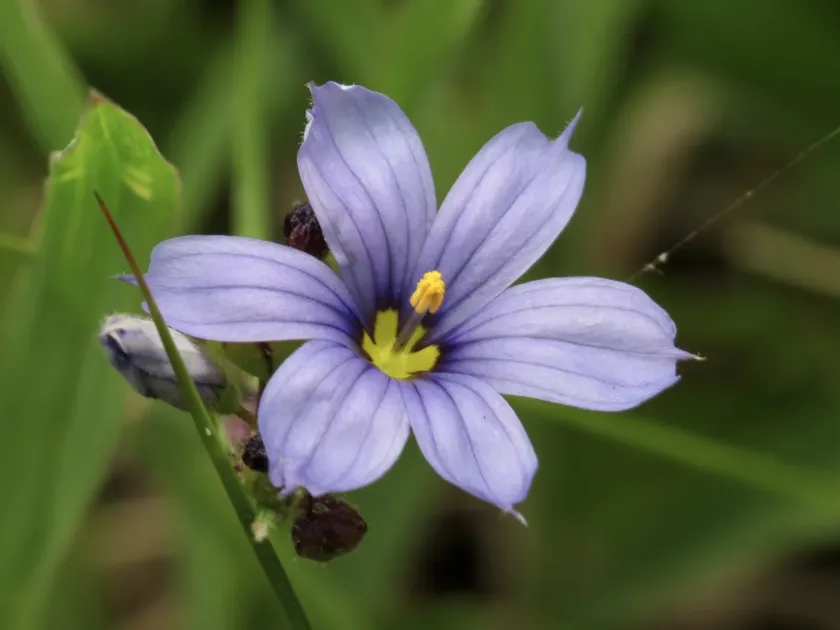
Description
Sowing dates
Sisyrinchium mucronatum, a member of the Iridaceae family, is typically propagated via seeds which require a period of cold stratification to break dormancy.
Sowing in late autumn allows the seeds to undergo natural overwintering, resulting in reliable germination during the following spring season.
If indoor propagation is preferred, seeds should be sown in early spring in well-draining seed-starting mix after cold treatment in a refrigerator.
Seedlings develop rapidly and require sufficient light to prevent etiolation and ensure the formation of a robust root system before transplanting.
Spacing for seedlings should be maintained at approximately 15 to 20 centimeters to allow for adequate air circulation and growth room for mature clumps.
Growing requirements
This species thrives in sunny locations, although it can tolerate partial shade in regions with extremely hot and dry summer climates.
Soil requirements include well-drained, fertile, and slightly moist conditions, preventing the plant from enduring prolonged waterlogged environments.
Regular irrigation is necessary during the establishment phase and periods of active flowering to maintain turgidity and overall plant health.
The plant demonstrates good adaptability to various soil pH levels, ranging from slightly acidic to neutral, provided the soil structure is friable.
Routine care involves removing spent flower stalks to encourage potential secondary blooming and to maintain the aesthetic appearance of the clump.
Main diseases and pests
The primary threats to Sisyrinchium mucronatum are fungal infections, particularly root and crown rots caused by poor soil drainage.
Leaf spot diseases may occur in overly humid conditions, necessitating the removal of affected foliage to prevent the spread of pathogens.
Pests such as thrips and aphids may occasionally infest the plants, particularly during the early spring development of new flower shoots.
Preventative cultural practices such as avoiding overhead watering and ensuring adequate spacing significantly reduce the risk of disease.
Management of pest populations should focus on targeted biological or chemical treatments only when infestation levels threaten the survival of the plant.