
Sisyrinchium montanum
Sisyrinchium montanum
Description
Sowing dates
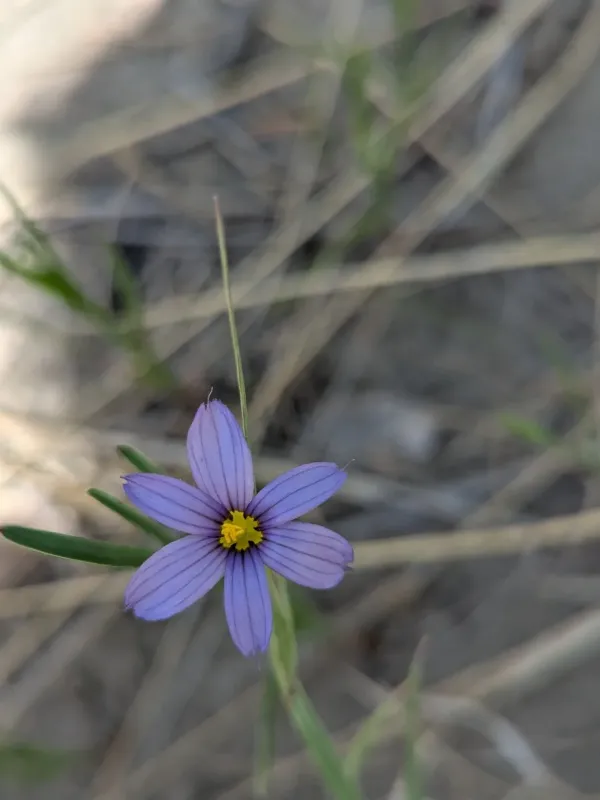
Sisyrinchium montanum, commonly known as strict blue-eyed grass, belongs to the Iridaceae family. This species is native to North America and is widely valued for its delicate, star-shaped blue flowers.
Propagation is typically performed through seeds or rhizome division. Seeds require a period of cold stratification to break dormancy, making fall planting ideal for outdoor sowings.
When starting seeds indoors, use a well-draining potting mix and keep the containers in a cool environment. Germination usually occurs within a few weeks when conditions are stable.
Transplanting should be done carefully to avoid damaging the root system. Once established, the plants form dense, grass-like clumps that are highly decorative in garden borders.
The plant exhibits a slow growth rate initially, but once settled into the landscape, it becomes a robust perennial that requires minimal intervention.
Growing requirements
This species thrives in full sun but can tolerate partial shade in hotter climates. It is highly adaptable to various soil types, provided they have excellent drainage to prevent root issues.
While relatively drought-tolerant once established, providing supplemental water during prolonged heatwaves will significantly improve flower production and overall vitality.
Soil pH should ideally be neutral or slightly acidic. If the soil is heavy clay, incorporating organic matter and sand can help create the necessary conditions for healthy growth.
In terms of temperature, the plant is hardy and well-suited to regions with cold winters. It does not require special winter protection in most temperate growing zones.
Fertilization is generally light. A balanced slow-release fertilizer applied in early spring is usually sufficient to support the plant throughout the flowering season.
Main diseases and pests
The most common threat to Sisyrinchium montanum is root rot caused by poor soil drainage. Waterlogged conditions can quickly lead to the decline of the plant’s root system.
Pests such as aphids and spider mites may occasionally infest the plants, particularly during dry spells. Regular monitoring of the foliage is recommended to catch infestations early.
To control fungal issues, ensure proper air circulation around the plants by avoiding overcrowding. Removing dead or diseased foliage promptly will also help maintain plant hygiene.
If chemical controls are necessary, select products labeled for ornamental plants and apply them according to the manufacturer's instructions, taking care to avoid pollinator-friendly areas.
Maintaining a clean garden bed by removing weeds will help reduce the competition for nutrients and minimize the presence of potential disease vectors in the planting area.