
Sisyrinchium laxum
Sisyrinchium laxum
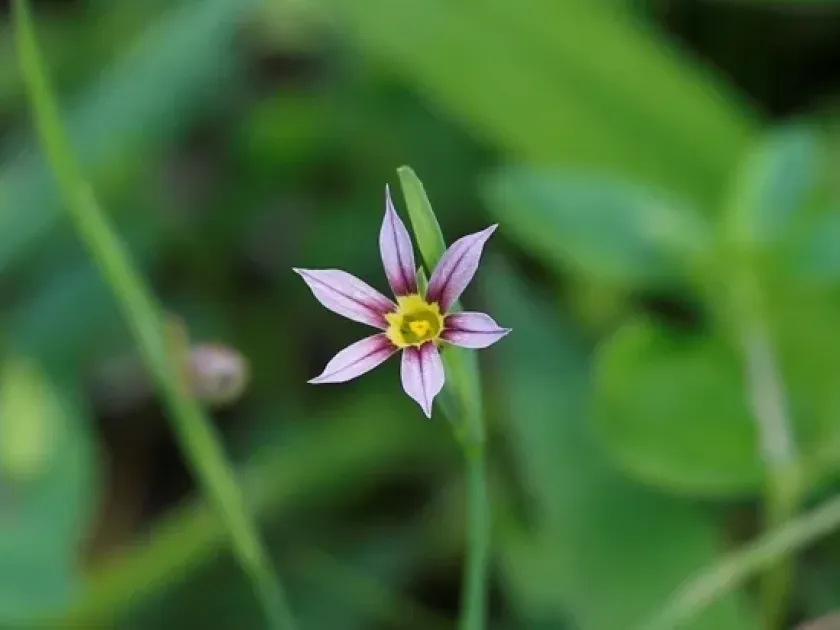
Description
Growing requirements
Sisyrinchium laxum is a charming herbaceous perennial belonging to the Iridaceae family. Native to South American grasslands, this plant is increasingly recognized in gardening circles for its delicate, grass-like foliage and vibrant flowers.
The botanical structure of the plant is defined by a dense basal rosette of narrow, linear leaves. During the spring and early summer, it produces slender stems topped with star-shaped blooms that thrive in sunny conditions.
For successful cultivation, the plant requires well-draining soil that is rich in organic matter. Sandy-loam soils are ideal, as they prevent waterlogging, which the plant cannot tolerate throughout its active growth cycle.
Climate preferences include full sun to partial shade, depending on the intensity of the local summer heat. While the species is relatively adaptable, it performs best when provided with consistent moisture during the blooming period.
Host-plant utility is primarily ornamental. It is often incorporated into rock gardens, xeriscaped beds, and perennial borders where its refined texture provides a pleasant contrast to broader-leaved plants.
Main diseases and pests
Root rot is the most significant threat to the health of Sisyrinchium laxum. This condition is almost exclusively caused by poor drainage or excessive watering, which stresses the plant's delicate vascular system.
Pest issues often include spider mites and aphids, which are particularly prevalent during dry, hot weather. Monitoring the underside of the leaves is recommended for early detection of potential infestation.
Fungal leaf spot diseases may appear if the foliage remains wet for extended periods in dense, stagnant air conditions. Improving spacing between plants is a critical cultural practice to enhance airflow and prevent infection.
Competition from vigorous weeds can rapidly diminish the vitality of the plant. Regular manual weeding is essential during the early stages of growth to ensure the plant has enough space to establish its root system.
To keep the plant healthy and productive, remove spent flower stalks and withered leaves after flowering. This practice prevents the accumulation of debris and limits the risk of opportunistic pathogens developing in the crown.