
Sisyrinchium bermudianum
Sisyrinchium bermudianum
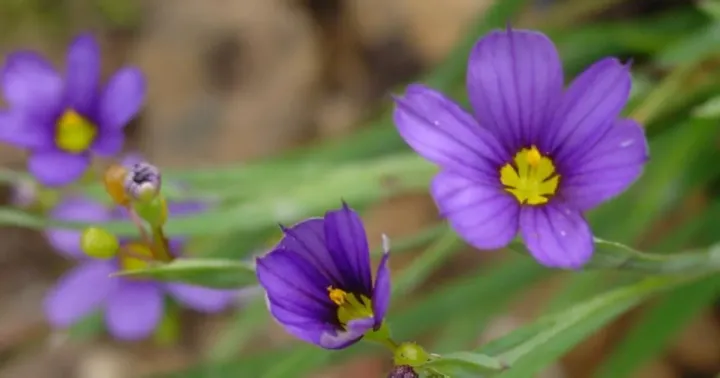
Description
Sowing dates
Sisyrinchium bermudianum, commonly referred to as Bermuda blue-eyed grass, is a resilient perennial belonging to the Iridaceae family. Propagation is primarily achieved through seeds sown in autumn or early spring, often requiring a period of cold stratification to break dormancy.
When starting from seed, use a well-draining soil mix in trays. Cover the seeds lightly, as they require a stable, humid environment to germinate successfully. Maintaining a temperature range between 15°C and 20°C is typically ideal for consistent seedling growth.
Seedlings should be thinned or transplanted into individual pots once they reach a manageable size. This practice ensures that each plant develops a robust root system before being hardened off and moved to a permanent location.
Vegetative propagation by dividing established clumps is another highly effective method. This is best performed in the spring or late summer, ensuring each section has healthy roots and foliage to support rapid re-establishment.
When choosing a site, ensure the plants are spaced adequately to prevent overcrowding. Proper airflow is crucial for this species, as it reduces the likelihood of foliage diseases that thrive in stagnant conditions.
Growing requirements
This species thrives in sunny locations, ideally where it can receive direct light for most of the day. In regions with extremely hot summers, partial shade during the peak afternoon hours is beneficial to prevent foliage scorch.
The soil must be light, sandy, or loamy and possess excellent drainage characteristics. Sisyrinchium bermudianum does not tolerate "wet feet" and will quickly succumb to root rot if placed in heavy, waterlogged clay soils.
Watering requirements are moderate. During active growth, keep the soil consistently moist but never saturated. Reduce watering frequency in the late season as the plant prepares for a period of dormancy or slower growth.
Applying a light, balanced fertilizer in early spring can help promote healthy foliage and abundant flowering. Avoid excessive nitrogen, which can lead to lush leaf growth at the expense of floral development.
The plant is relatively hardy but benefits from a layer of mulch in colder climates to protect the roots from harsh freezing and thawing cycles. This simple measure ensures better survivability during winter months.
Main diseases and pests
The primary concern for growers is the development of fungal rot in the roots and crown. This is almost always caused by poor drainage or excessive irrigation, necessitating strict control over soil moisture levels.
Aphids and spider mites are common pests that target the foliage. Regular monitoring allows for early intervention, such as using gentle insecticidal soaps to manage populations before they cause significant damage.
Slugs and snails can be problematic, particularly for young plants or during damp, cloudy spells. Implementing physical barriers like crushed shells or professional-grade slug pellets can protect vulnerable specimens.
Powdery mildew can occasionally affect the leaves if the plants are situated in areas with poor ventilation. Ensuring proper spacing and removing dead or decaying foliage helps maintain a healthy environment.
General hygiene in the garden is essential for long-term health. Removing debris around the base of the plant in late autumn significantly reduces the hiding spots for pests and prevents the spread of pathogens.