
Sisyrinchium albidum
Sisyrinchium albidum
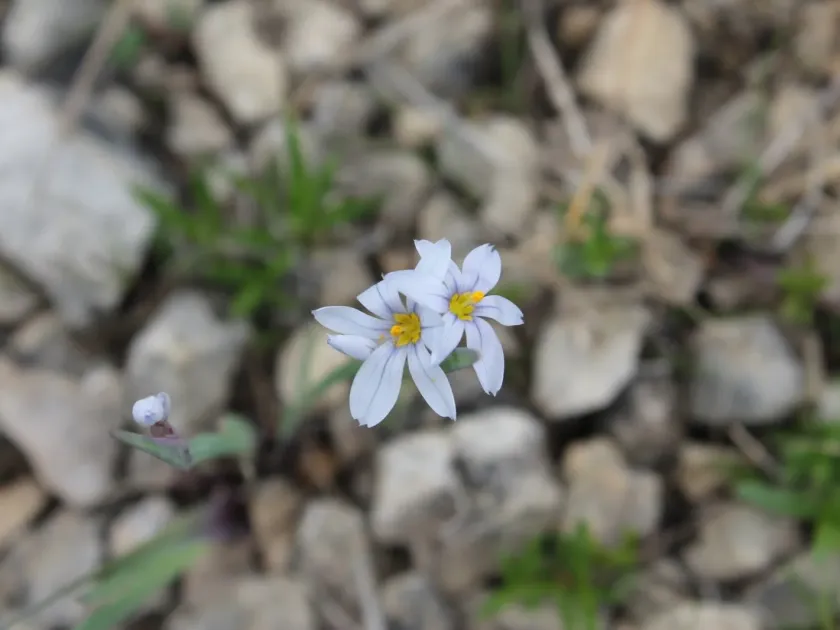
Description
Sowing dates
Sisyrinchium albidum, commonly known as white blue-eyed grass, is a perennial flowering plant belonging to the Iridaceae family. While it is often considered a wildflower, it has gained popularity in rock gardens and herbaceous borders due to its delicate structure.
Propagation is primarily achieved through seeds. For successful germination, seeds typically require a period of cold stratification for several weeks. This mimics natural winter conditions and breaks the seed dormancy effectively.
Sowing in autumn is the preferred method for outdoor planting, as the natural temperature drop during winter satisfies the stratification requirements. Seeds should be sown on the soil surface, as they require light to germinate.
For greenhouse cultivation, sow seeds in late winter in a well-draining, sterile seed-starting mix. Keep the soil moist but not waterlogged, and place the trays in a cool, bright location to encourage even emergence.
Once seedlings have developed at least two sets of true leaves, they can be transplanted into larger containers or individual pots. It is important to handle the roots with care during this process to prevent transplant shock.
Growing requirements
This species thrives in locations with full sun to partial shade. In warmer climates, it appreciates some protection from the intense afternoon sun, which can scorch the delicate foliage and shorten the blooming period.
The ideal soil for Sisyrinchium albidum is sandy or gritty, well-draining, and slightly acidic to neutral in pH. Avoid heavy clay soils that retain moisture, as these often lead to root rot during the dormant season.
Watering should be consistent throughout the growing season, especially during periods of low rainfall. However, ensure that the soil is allowed to dry out slightly between waterings to prevent the development of fungal infections.
Maintenance requirements are generally low. A light application of a balanced, slow-release fertilizer in early spring can help promote vigorous growth, but over-fertilization should be avoided as it leads to weak, floppy stems.
Winter hardiness is quite good, although plants in colder zones may benefit from a layer of mulch or protective covers. This protection helps stabilize soil temperatures and prevents damage to the crown of the plant.
Main diseases and pests
Sisyrinchium albidum is relatively resistant to pests and diseases, provided that the drainage conditions are optimal. Most issues are typically environmental rather than biological in nature, stemming from improper soil moisture.
The most common pests include gastropods, such as snails and slugs, which are attracted to the succulent-like foliage during damp weather. Using organic slug baits or creating physical barriers can effectively manage their presence.
In hot and dry conditions, spider mites may occasionally infest the plant, causing the foliage to lose its vibrant green color and appear speckled. Frequent misting or the application of insecticidal soaps can resolve these issues.
Fungal diseases, such as leaf spot or crown rot, can occur if the plant is overcrowded or kept in poor airflow conditions. Regular weeding and maintaining sufficient spacing between individual plants are crucial preventative measures.
Monitoring the plants during the early spring is recommended to spot any potential issues before they spread. Removing dead or damaged leaves at the end of the season also helps reduce the risk of overwintering pathogens.