
Shoshonea pulvinata
Shoshonea pulvinata
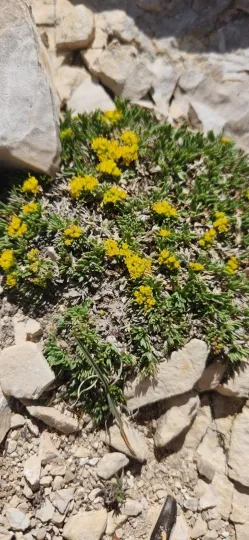
Description
Growing requirements
Shoshonea pulvinata is a rare perennial herbaceous plant belonging to the Apiaceae family. It is recognized as a micro-endemic species, with its natural range restricted to specific calcareous rock outcrops located in the high-elevation regions of Wyoming, United States.
The plant is anatomically adapted to extreme alpine environments, forming dense, cushion-like structures. This growth habit is a survival strategy, allowing the plant to trap moisture and protect its internal tissues from the desiccating effects of high-altitude winds and temperature fluctuations.
Regarding soil requirements, this species thrives exclusively in well-drained, limestone-derived substrates. It is highly intolerant of soil compaction or excessive moisture, which can quickly lead to root rot in artificial or disturbed environments.
Environmental conditions for the plant include a need for significant solar radiation and exposure to cold winters, which are essential for its metabolic rhythm. It is a specialist species that does not compete well with more aggressive vegetation in more nutrient-rich soils.
In terms of agricultural or commercial utility, the plant has no current applications. Its significance is entirely ecological and scientific, serving as a study subject for botanists interested in the adaptation strategies of rare mountain flora within the Apiaceae family.