
Shiitake
Lentinula edodes (Berk.) Pegler
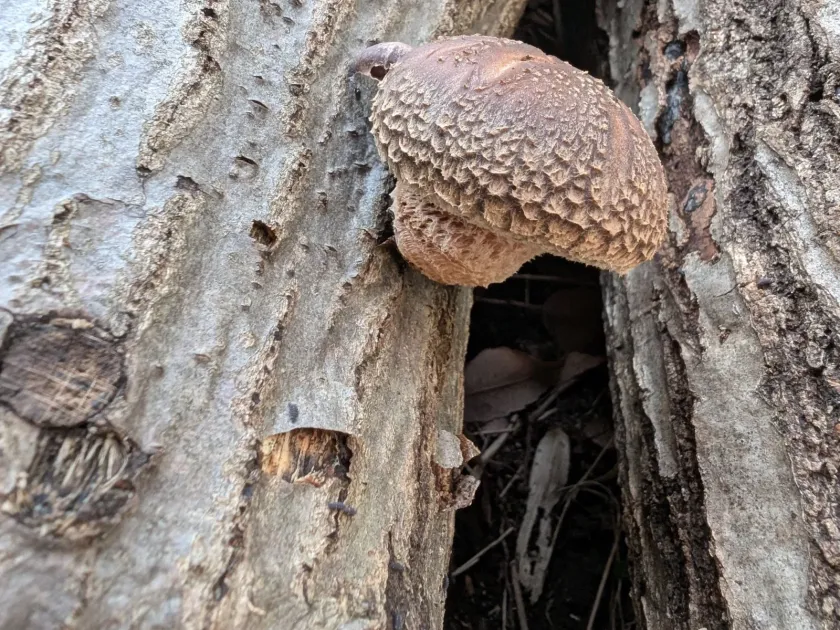
Description
Sowing dates
Shiitake (Lentinula edodes), a member of the Marasmiaceae family, is cultivated through the inoculation of a sterilized or pasteurized substrate with mycelium.
In indoor commercial operations, inoculation can be performed year-round, while outdoor log-based cultivation is typically restricted to the spring season.
Substrates for intensive farming are usually composed of hardwood sawdust mixed with organic supplements to provide essential nutrients for rapid fungal growth.
The success of the "sowing" process depends heavily on the vigor of the mushroom spawn and the hygiene standards maintained during the inoculation stage.
After inoculation, the substrate blocks undergo an incubation phase, where the mycelium fully colonizes the material, becoming dense and turning white or brownish.
Growing requirements
Originating from East Asia, this wood-decaying fungus thrives in forest environments on deciduous hardwood trees, requiring specific climatic conditions.
Optimal growth requires high humidity levels between 80% and 90%, along with consistent temperatures ranging from 15 to 25 degrees Celsius for vegetative growth.
Shiitake fungi are natural decomposers that utilize enzymes to break down lignin and cellulose, which makes hardwood sawdust an ideal growth medium.
Light is a necessary trigger for the transition from the vegetative phase to fruiting, requiring consistent exposure to filtered light throughout the growth cycle.
Proper air exchange is essential to keep CO2 levels low, as high concentrations of carbon dioxide can lead to deformed caps and poor overall development.
Yield
The yield of shiitake is determined by the method of cultivation, with indoor sawdust blocks offering significantly higher output than traditional log methods.
Commercial growers typically expect a yield of 20% to 30% of the substrate's weight over several flushes, managed by adjusting humidity and temperature.
The lifespan of a high-intensity shiitake block is relatively short, usually producing for 3 to 5 flushes before the nutrient source is completely exhausted.
Log-based cultivation is much slower, often taking up to a year for the first harvest, but the resulting mushrooms are often prized for superior flavor.
The economic value of the crop extends to the culinary sector, functional food markets, and the medicinal industry due to its high beta-glucan content.
Main diseases and pests
Contamination by competing molds, especially Trichoderma (green mold), is the primary challenge that can destroy an entire batch of substrate blocks.
Pests such as fungus gnats and mites are major threats, as they directly damage the mycelium and act as vectors for various bacterial and viral diseases.
Bacterial blotch, characterized by slimy, discolored patches on the mushroom caps, is common when ventilation is poor and surface moisture remains too high.
- Strict sanitation and sterilization protocols.
- Consistent monitoring of climate parameters.
- Implementation of biological or physical pest control measures.
Maintaining a clean and controlled environment is the most effective strategy to minimize losses and ensure high-quality production throughout the year.
Harvesting
Harvesting is performed when the cap is mostly expanded but the veil is still partially attached to the stem, ensuring the best texture and shelf life.
Mushrooms are harvested by cutting at the base of the stem, carefully ensuring that no leftover tissue remains to rot and trigger subsequent bacterial contamination.
Efficiency in harvesting prevents the uncontrolled release of spores, which can lead to air quality issues in the growing room and trigger allergies in staff.
Once a flush is harvested, the blocks may require a brief recovery period in a high-humidity environment before they are ready to produce the next batch.
Post-harvest handling requires immediate cooling to temperatures near 2–4 degrees Celsius to maintain freshness and prevent rapid degradation of the fungi.