
Lentinus sajor-caju
Lentinus sajor-caju (Fr.) Fr. 1838
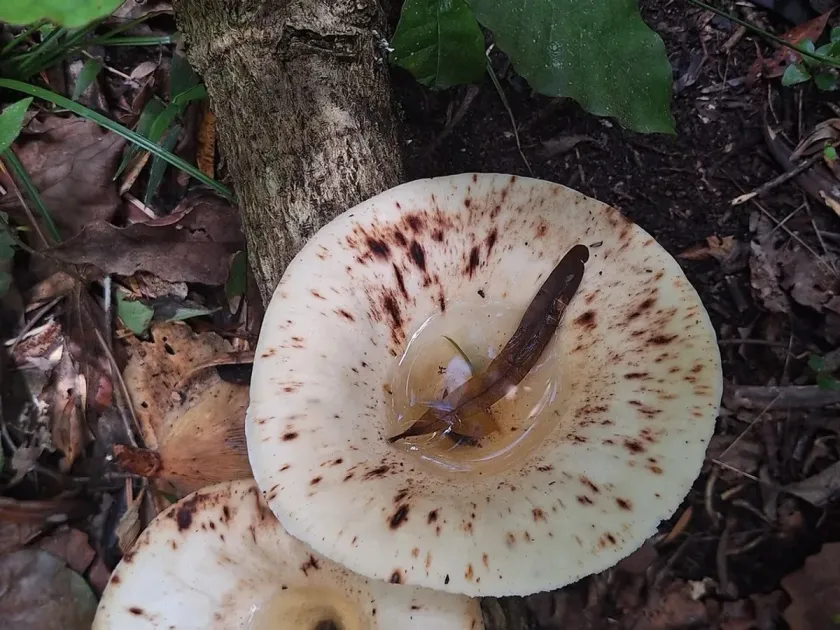
Description
Sowing dates
Lentinus sajor-caju is a thermophilic saprophytic fungus whose production cycle is independent of outdoor seasons, relying instead on controlled indoor microclimates. The process begins with the inoculation of high-quality mycelium into a prepared sterilized or pasteurized substrate.
Common substrates include cereal straw, hardwood sawdust, or agricultural residues rich in cellulose. The moisture content of the substrate mixture should be maintained between 65 and 70 percent to ensure rapid and healthy mycelial colonization.
Incubation takes place at temperatures ranging from 24 to 28 degrees Celsius in complete darkness. Maintaining sterility during the inoculation phase is critical to prevent contamination by competing mold species, which can compromise the entire production batch.
Once the mycelium has fully colonized the substrate block, the fruiting phase is triggered. This involves shifting environmental conditions, specifically increasing humidity and introducing fresh air, which encourages the development of primordial growth.
Commercial intensive cultivation allows for year-round production using specialized climate-controlled chambers. This makes the crop highly attractive for commercial farming, enabling a consistent and reliable supply to the market regardless of external weather conditions.
Growing requirements
Belonging to the Polyporaceae family, this fungus requires specific environmental conditions to thrive. A stable temperature range of 20 to 30 degrees Celsius must be maintained throughout the fruiting period to support vigorous growth.
Relative air humidity of 80 to 90 percent is essential for the healthy development of fruit bodies. If humidity levels drop too low, the mushrooms lose turgor and dehydrate quickly, which severely diminishes their quality and market value.
Lighting plays a significant role in determining the morphology of the mushrooms. While the species can grow in low light, filtered light for 8 to 10 hours daily helps ensure a proper structure and a natural, appealing coloration of the caps.
Efficient ventilation is a prerequisite for high-quality production. Poor airflow leads to carbon dioxide accumulation, which causes elongated stems and deformed caps, rendering the product less desirable for commercial retail.
Maintaining a high standard of hygiene is mandatory in the production facility. Regular disinfection of surfaces and monitoring of air quality are the primary methods for managing the environment without relying on chemical pesticides or fungicides.
Yield
Biological efficiency for this species typically ranges between 50 and 80 percent of the dry substrate weight. The harvest is collected in flushes, with the first flush usually yielding the largest and highest quality fruit bodies.
A single substrate block can remain productive for 2 to 3 months. The interval between flushes generally lasts 10 to 14 days, allowing farmers to plan their production schedules and supply chains with high precision and predictability.
The average weight of an individual fruit body ranges from 100 to 200 grams. Proper spacing and block management ensure that mushrooms grow to a substantial, dense size, which is highly appreciated by consumers and chefs alike.
Enhancing the nutrient profile of the substrate through nitrogen-rich additives significantly boosts overall yields. These additives stimulate faster mycelial growth and lead to heavier, more robust mushrooms throughout the harvest cycles.
Ongoing variety selection and strain testing contribute to steady improvements in productivity. Utilizing commercially adapted strains allows growers to maximize the profitability of their space, even in smaller-scale setups by optimizing vertical growing areas.
Main diseases and pests
The primary threats to Lentinus sajor-caju involve infections by mold fungi, such as Trichoderma, particularly when sanitary protocols are ignored. Affected blocks should be removed immediately to prevent spores from spreading throughout the cultivation chamber.
Bacterial soft rot can affect the fruit bodies under conditions of excessive humidity and stagnant air. This typically manifests as slimy patches on the caps and an unpleasant odor, making the product unfit for human consumption.
Pests, including mushroom flies and mites, can damage the mycelium within the substrate or the young primordia. Control measures focus on physical barriers like fine-mesh screens on vents and rigorous facility sanitation to prevent infestations.
Physiological disorders caused by oxygen deprivation or drastic temperature fluctuations often mimic disease symptoms. Automation of climate control systems is the most effective way to prevent these issues and ensure consistent product quality.
Prevention is the cornerstone of successful mushroom farming. By using certified spawn, maintaining strict cleanliness, and regularly monitoring substrate health, growers can minimize risks and ensure a consistently high and healthy yield.
Harvesting
The optimal harvest time occurs when the edges of the mushroom cap start to flatten but have not yet turned upward. At this stage, the fruit body possesses the best flavor, texture, and density for shelf-life and transport.
Mushrooms are harvested by carefully cutting them at the base with a sharp knife or by gently twisting them off the block. It is vital to remove all stem remnants from the substrate to prevent decay and potential subsequent infections.
Freshly harvested mushrooms require immediate cooling to 2 to 4 degrees Celsius to preserve their quality. This slows down natural aging processes, extending the shelf life of the produce significantly for distribution.
Before packaging, the mushrooms must be sorted by size and cleaned of any substrate debris. Using perforated film or breathable containers helps maintain a perfect micro-environment during storage and prevents condensation buildup.
It is crucial to avoid spore discharge within the facility during harvest, as it can affect both the environment and the respiratory health of workers. Timely harvesting before the gills fully open is a standard professional practice.