
Seyrigia humbertii
Seyrigia humbertii
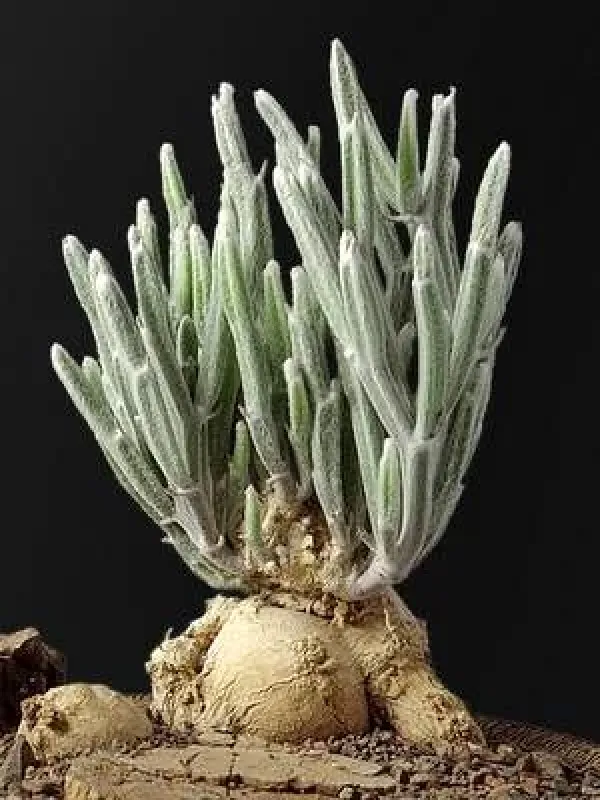
Description
Growing requirements
Seyrigia humbertii is a fascinating stem succulent belonging to the Cucurbitaceae family. Native to Madagascar, this plant has adapted to rocky and arid environments, making it a specialized species for collectors of xerophytic vegetation.
The morphology of the plant is defined by its slender, photosynthetic stems that lack traditional leaves. These stems are covered in a fine layer of trichomes or a waxy bloom, which serves as a protective mechanism against intense sunlight and moisture loss.
Agricultural requirements for this species include a highly porous, gritty substrate that ensures immediate drainage. Standard potting soil is typically unsuitable, as it retains excessive moisture, which is the primary cause of physiological stress in this species.
Environmental needs are strictly defined by high light intensity and distinct seasonal cycles. During the growing season, the plant requires warmth and moderate moisture, while the dormant winter period necessitates near-total dryness and cooler temperatures to prevent rot.
The economic value of Seyrigia humbertii is primarily centered within the niche market of specialized botanical collections. Due to its unique evolutionary history and slow growth, it remains an exotic subject for horticulture enthusiasts rather than a mass-market agricultural crop.
Main diseases and pests
The most significant threat to Seyrigia humbertii is root and stem rot caused by waterlogged substrates. Fungal pathogens proliferate quickly in humid conditions, which can lead to the rapid collapse of the plant's succulent tissues.
Common pests include mealybugs that congregate in the crevices of the stems. Additionally, red spider mites may infest the plant during the dry season, requiring consistent monitoring and the application of systemic acaricides if an infestation is detected.