
Sesbania vesicaria
Sesbania vesicaria
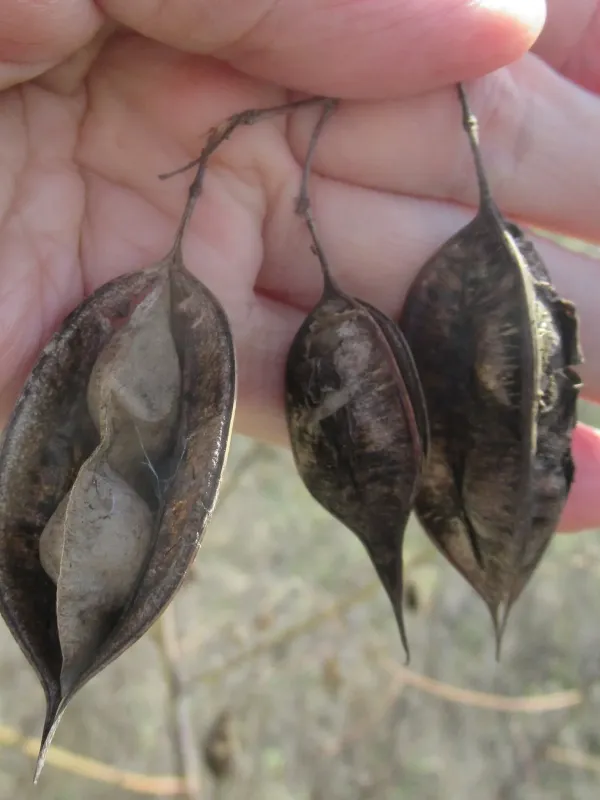
Description
Sowing dates
Sesbania vesicaria is a heat-loving plant, so seeding must be conducted only after stable warm weather has arrived and soil temperatures have reached at least 18–20 degrees Celsius.
The optimal sowing period occurs in late spring when the risk of frost is completely eliminated, as young seedlings are extremely sensitive to low temperatures.
Seeds are typically sown in rows with spacing of 45 to 60 centimeters to provide adequate growing space, as the plant exhibits vigorous and rapid development.
The sowing depth usually ranges from 2 to 4 centimeters, depending on soil texture and moisture, which is critical for ensuring uniform germination across the field.
It is important to note that the seeds have a hard seed coat, so pre-sowing scarification techniques are often used to improve germination rates and speed.
Growing requirements
This crop belongs to the Fabaceae family and requires high heat accumulation, preferring sunny areas protected from strong winds for optimal development.
Sesbania vesicaria demonstrates excellent adaptability to various soil types, though the best performance is observed in loose, well-drained loamy soils.
The plant possesses a remarkable ability to tolerate periodic waterlogging, making it a promising candidate for cultivation in areas prone to seasonal flooding.
It requires moderate moisture during the active vegetative growth phase, although mature plants exhibit significant tolerance to dry conditions and short-term drought.
Due to its symbiotic relationship with nitrogen-fixing bacteria, the plant enriches the soil with nitrogen, making it a valuable component in crop rotation systems.
Main diseases and pests
Typical threats to Sesbania crops include various types of root rot, which may occur under prolonged waterlogging or during periods of cold, wet soil conditions.
In specific cultivation regions, the plant may be affected by leaf spot diseases caused by fungal pathogens, necessitating regular field monitoring and scouting.
Among insect pests, certain species of weevils and bean beetles pose the greatest risk, as they damage reproductive organs and significantly reduce seed yields.
To prevent pest outbreaks, it is recommended to practice spatial isolation and effective crop rotation, avoiding planting legumes on the same field for consecutive years.
When initial signs of disease or pest infestation are detected, integrated pest management strategies should be applied using registered, appropriate chemical controls.
Harvesting
Harvesting for seed production is carried out at the stage of full pod maturity, when pods acquire a characteristic color and become brittle upon mechanical pressure.
The harvesting process requires careful handling, as Sesbania pods are prone to shattering, which can lead to significant yield losses if not timed correctly.
If the crop is utilized as a green manure, it should be incorporated into the soil during the full flowering phase when biomass is highest and before seed formation.
After harvesting or incorporation, plant residues should be thoroughly shredded and mixed into the topsoil layer to accelerate humification and organic matter enrichment.
Proper seed storage requires strict moisture control, as even minor increases in seed moisture can lead to a rapid loss of viability and germination potential.