
Sesbania speciosa
Sesbania speciosa
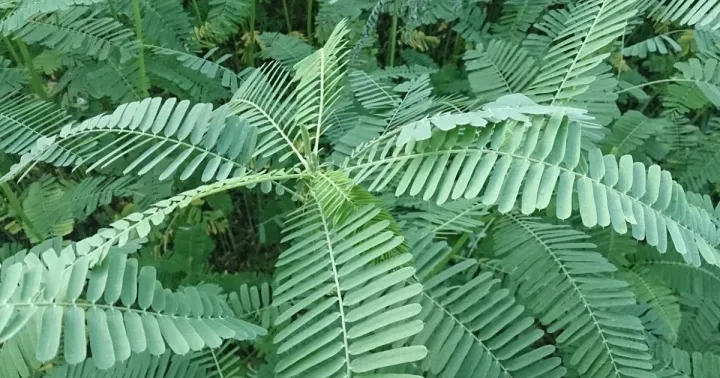
Description
Sowing dates
Sesbania speciosa is a fast-growing leguminous crop typically sown during the warm season. The optimal planting time occurs after the soil has warmed up sufficiently, as the culture is sensitive to low temperatures in the early growth stages.
The seeding rate is determined by the intended use, generally ranging from 20 to 40 kg per hectare. The seeds have high germination energy under sufficient moisture conditions, allowing the crop to quickly form a dense stand.
The sowing depth depends on soil type, usually ranging from 2 to 4 cm. Under favorable conditions, seedlings emerge within 5–7 days after sowing.
To accelerate germination, scarification or soaking seeds in warm water for several hours is recommended. This helps overcome the seed coat dormancy characteristic of this legume.
The crop effectively suppresses weed growth by rapidly accumulating biomass, creating a dense canopy that shades the soil surface and blocks sunlight.
Growing requirements
Sesbania speciosa belongs to the Fabaceae family and is valued for its nitrogen-fixing ability. It originates from tropical regions of Africa and is well-adapted to hot and humid climate conditions.
The plant demonstrates exceptional tolerance to temporary waterlogging and saturated soils, making it highly suitable for use on heavy or poorly drained fields.
The crop prefers sunny locations and cannot tolerate frost. The optimal temperature for active growth ranges from +20 to +30 degrees Celsius.
Sesbania is not demanding regarding soil type; it can thrive on moderately saline soils and varying pH levels, which expands its utility in land reclamation projects.
During its growth cycle, the plant develops a robust root system that helps improve soil structure, increasing aeration and hydraulic conductivity.
Yield
Sesbania speciosa has significant potential for biomass accumulation. Within a short growing period, it can produce a substantial volume of green mass, serving as an effective source of organic matter for fertility.
When used as green manure, the biomass is incorporated into the soil at the onset of flowering, when nitrogen content in the stems and leaves is at its peak.
The amount of fixed nitrogen can reach 150–200 kg per hectare, significantly reducing the need for mineral fertilizers for subsequent crops in the rotation.
The yield of green biomass depends directly on climatic conditions, moisture availability, and growing season duration, typically ranging from 30 to 50 tons per hectare.
In addition to green manure, the crop can be used for animal fodder, though composition monitoring is required, as some Sesbania species may contain anti-nutritional factors.
Main diseases and pests
Sesbania speciosa is considered a quite resilient crop, possessing natural immunity to most pathogens that affect field crops in its native range.
Damage can be caused by insect pests, such as larvae of various Lepidoptera species, which feed on the plant foliage during periods of active growth.
In cases of waterlogging or poor soil aeration, root rot caused by soil-borne fungal pathogens may occur in rare instances.
Nematodes can affect the root system if grown in the same fields for many years; therefore, crop rotation is highly recommended.
Overall, the rapid growth rate of the crop allows it to outpace the development of most diseases, minimizing damage without the need for chemical protection agents.
Harvesting
Harvesting as green manure is performed just before mass flowering, as this is when the plant contains the highest nutrient levels and is most easily decomposed.
To facilitate incorporation into the soil, the biomass is pre-chopped using disk harrows or mulchers, which accelerates the mineralization of plant residues.
Ploughing the green mass is conducted at a depth of 10–15 cm, ensuring contact between organic material and soil microflora for rapid humification.
For seed harvesting, operations are carried out after the pods have fully matured, indicated by their dark color and the onset of leaf yellowing and senescence.
Seed storage requires dry, well-ventilated conditions to prevent molding and maintain high viability until the next sowing season.