
Sesbania sericea
Sesbania sericea
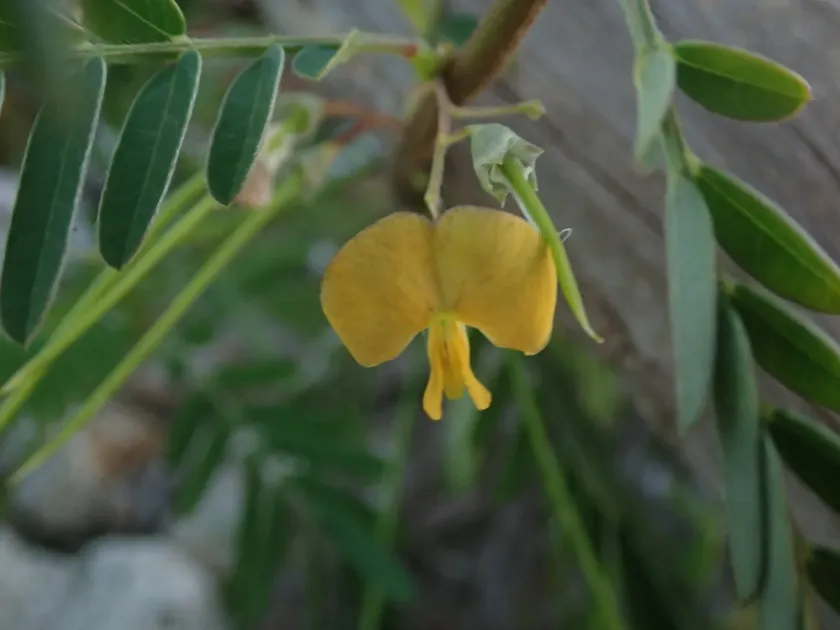
Description
Sowing dates
Sesbania sericea is typically sown at the beginning of the rainy season when soil temperatures are consistently above 25 degrees Celsius to ensure rapid germination.
Seed pretreatment is essential because of the hard seed coat; mechanical scarification or soaking in warm water significantly improves the uniformity of field emergence.
The crop is usually planted using a broadcast method or in rows spaced 30 to 50 centimeters apart, depending on the specific soil type and agricultural objectives.
A seeding rate of 20–30 kilograms per hectare is generally recommended to establish a thick stand capable of suppressing competing weed species effectively.
Initial growth is quite vigorous, allowing the plants to close the canopy quickly, which helps to protect the soil surface from erosion and moisture loss.
Growing requirements
As a member of the Fabaceae family, this plant is well-adapted to tropical climates and is highly tolerant of waterlogged soils, making it unique among legumes.
It thrives best in well-drained loamy soils but demonstrates an exceptional ability to survive in poorer, less fertile substrates due to nitrogen-fixing symbiosis.
The optimal pH range for Sesbania sericea is between 5.5 and 7.5, allowing it to adapt to various regional soil conditions across the tropics.
High levels of solar radiation are required for optimal development, as the plant is intolerant of shade and will perform poorly under tree canopies or in dense intercrops.
The plant is heat-tolerant but prefers areas with sufficient rainfall during the peak growing season to reach its maximum biomass production potential.
Yield
Sesbania sericea is highly valued as a green manure crop, capable of producing 15 to 25 tons of fresh biomass per hectare within a short growth period.
This massive influx of organic matter helps improve soil structure and water retention, making it an excellent candidate for sustainable rotation programs.
Biological nitrogen fixation allows the plant to supply significant amounts of nitrogen to the soil, reducing the need for synthetic nitrogenous fertilizers.
Seed yields range from 0.8 to 1.5 tons per hectare, providing a reliable source of plant material for subsequent seasons of cultivation.
Regular harvesting of the green material stimulates regrowth, especially when managed correctly, allowing for multiple cuts in favorable tropical environments.
Main diseases and pests
Fungal diseases like leaf spot may occur in high-humidity conditions, particularly if the plant density is too high, leading to reduced air circulation.
Various caterpillar species and aphids are the most common pests that may attack the foliage and stems during the early stages of plant development.
Root rot can become an issue in soils with poor drainage if the plant is subjected to prolonged stagnation of water in the root zone.
Preventive measures include crop rotation and ensuring good soil drainage rather than relying on heavy chemical interventions to maintain crop health.
Early detection of infestation is key; periodic monitoring of the field is recommended to prevent significant biomass loss during the vegetative phase.
Harvesting
The harvest for green manure is ideally performed at the onset of flowering, which is the stage when the plant reaches its highest nutrient density.
Mechanical incorporation into the top 10–15 centimeters of soil allows for rapid decomposition and nutrient release for the benefit of the following main crop.
Harvesting for seeds requires waiting until the pods turn brown and start to dry, typically occurring at the end of the vegetative cycle.
Post-harvest handling should be done carefully to prevent seed shattering, as the pods are relatively brittle when fully mature and dry.
Proper storage of seeds in a cool, dry place is essential to maintain high germination rates and prevent fungal contamination during the off-season.