
Sesbania javanica
Sesbania javanica
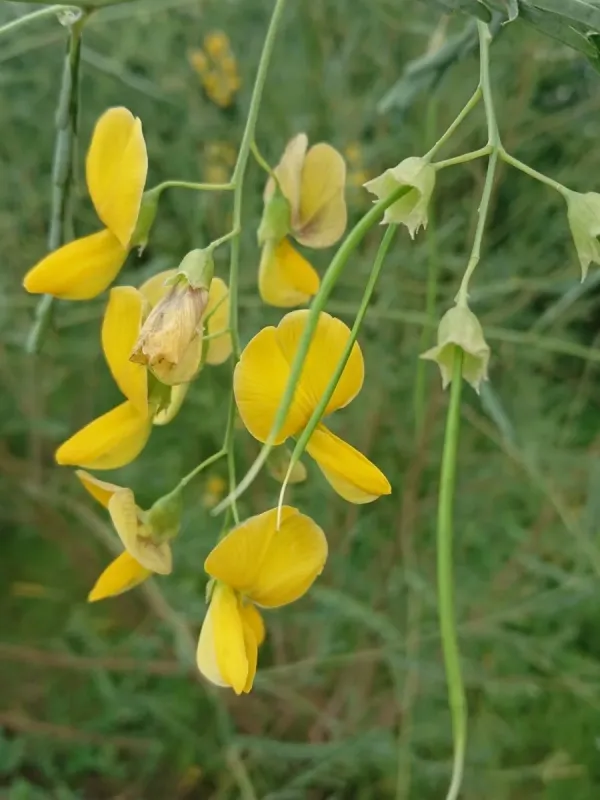
Description
Sowing dates
The sowing period for Sesbania javanica is strictly determined by the start of the rainy season or the stabilization of high ambient temperatures required for germination.
To achieve high germination rates, seeds should undergo mechanical or chemical scarification, as the seed coat is naturally hard and resistant to water penetration.
Sowing should be carried out when soil moisture is adequate, ensuring that seeds are placed at a depth of about 2 to 4 centimeters in well-prepared seedbeds.
Row spacing is typically adjusted based on the intended end use: closer spacing is preferred for biomass production, while wider spacing supports better seed development.
Early-stage weed control is essential for successful establishment, as the young seedlings of this species can be easily outcompeted by aggressive weeds in warm climates.
Growing requirements
Sesbania javanica is a hardy legume belonging to the Fabaceae family, recognized for its exceptional ability to tolerate waterlogged and anaerobic soil conditions.
The plant thrives in full sunlight and is highly sensitive to shade, which limits its biomass productivity in areas with dense canopy cover or frequent cloudiness.
It is adaptable to various soil types, including heavy clays, and excels at improving soil structure through its deep and aggressive root system that fixes nitrogen.
The species requires a warm climate with temperatures typically ranging between 25°C and 35°C, as cooler temperatures can significantly hinder its growth rate and metabolic activity.
Optimal site selection should account for the plant's high water requirement during the early vegetative phase, even if it demonstrates resilience in later stages of development.
Yield
The primary agricultural objective for growing Sesbania javanica is the generation of voluminous green biomass to be used as green manure for subsequent crops.
By incorporating the green matter into the soil, farmers can significantly increase organic carbon levels and enhance the biological activity of the soil ecosystem.
In addition to biomass, the crop can be utilized as a forage source for livestock, provided that the material is managed and processed to ensure the absence of anti-nutritional factors.
Seed production yield is contingent upon favorable weather conditions during the flowering phase, as the plant relies on pollinators to achieve successful fruit set.
Efficient management practices, such as timely pruning or cutting, can extend the productive life of the crop and increase the cumulative yield of organic matter per season.
Main diseases and pests
Sesbania javanica can be susceptible to various diseases, particularly root-knot nematodes and fungal root rot, which are common in many tropical agricultural environments.
Foliar diseases, such as leaf spot or powdery mildew, may occur during periods of high humidity and poor ventilation within dense stands of the crop.
Pest pressures include various insects, such as beetles and caterpillars, which feed on the foliage and, if left unmanaged, can significantly reduce the overall plant biomass.
Integrated Pest Management (IPM) strategies, including crop rotation and the use of resistant varieties, are recommended to minimize the reliance on chemical pesticides.
Monitoring for early signs of infestation is crucial, as the quick spread of pests can lead to rapid decline in the vitality of the crop stand if intervention is delayed.