
Sesbania drummondii
Sesbania drummondii
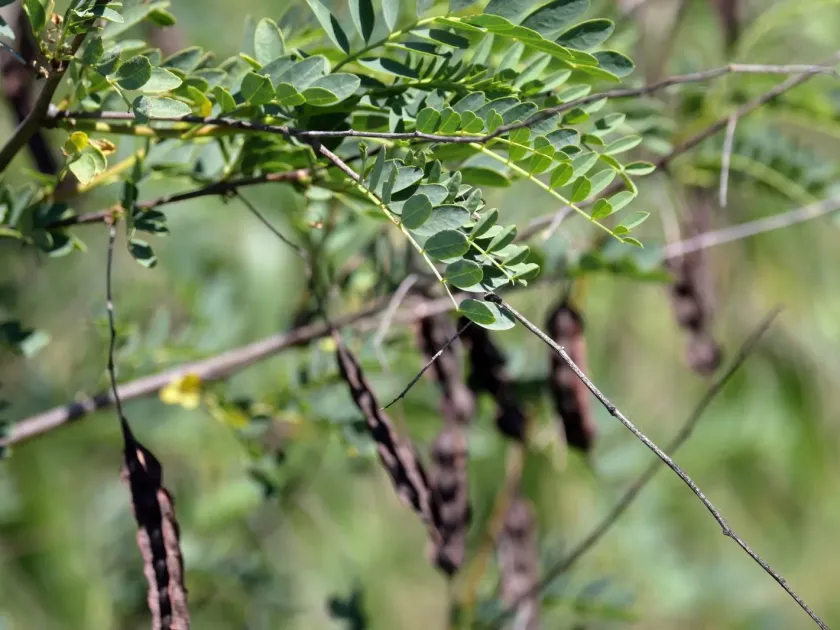
Description
Sowing dates
Sesbania drummondii is a woody legume species belonging to the Fabaceae family, originating from subtropical regions. Planting usually occurs in early spring once the soil temperature is consistently above 20 degrees Celsius to ensure rapid germination.
Seeds of this plant have a hard coat that often requires mechanical scarification to improve water absorption. This step is crucial for achieving high germination uniformity across the field.
The optimal planting depth is approximately 2 to 3 centimeters. This depth allows for sufficient moisture contact while ensuring that the seedling can emerge without depleting its energy reserves prematurely.
In the initial phase of growth, it is essential to minimize competition from weeds. Once established, the rapid vertical growth of the crop allows it to effectively shade out potential weeds in the row.
Crop density should be carefully calculated based on the intended use, whether for green manure, erosion control, or ornamental purposes, as this directly affects the total biomass production.
Growing requirements
This crop thrives in warm, sunny environments with a long growing season. It is highly sensitive to frost, which limits its production to subtropical and tropical climates where frost risk is negligible.
Sesbania drummondii is remarkably versatile regarding soil types, performing well in sandy, loamy, and even heavy clay soils, provided they are not permanently waterlogged for extended periods.
One of its primary agricultural benefits is its nitrogen-fixing ability through symbiosis with Rhizobium bacteria. This process significantly improves soil nitrogen levels, benefiting subsequent crop rotations.
The plant exhibits high tolerance to soil moisture fluctuations, making it a viable candidate for low-lying areas that may experience periodic flooding where other legume species fail to survive.
While it is relatively drought-tolerant once established, supplemental irrigation during the seedling stage is recommended to maximize the biomass potential and ensure robust stand establishment.
Main diseases and pests
Potential threats include various root-rot pathogens that can proliferate in poorly drained, water-saturated soils. Proper site selection and drainage are critical management tools to prevent these issues.
Insect pests such as leaf-eating beetles and aphids can occasionally damage young seedlings. Monitoring the crop during the early vegetative stage is essential to prevent significant loss of photosynthetic area.
It is important to note that Sesbania drummondii is known to be toxic to livestock due to the presence of secondary metabolites such as saponins in its seeds and foliage.
Integrated pest management strategies should focus on maintaining healthy, vigorous plants. Crop rotation is also a recommended practice to break the life cycle of soil-borne pathogens and specific insect pests.
Overall, keeping the planting density optimal helps in airflow, reducing the humidity around the stems and lowering the incidence of fungal pathogens that thrive in stagnant conditions.