
Seriphium plumosum
Seriphium plumosum
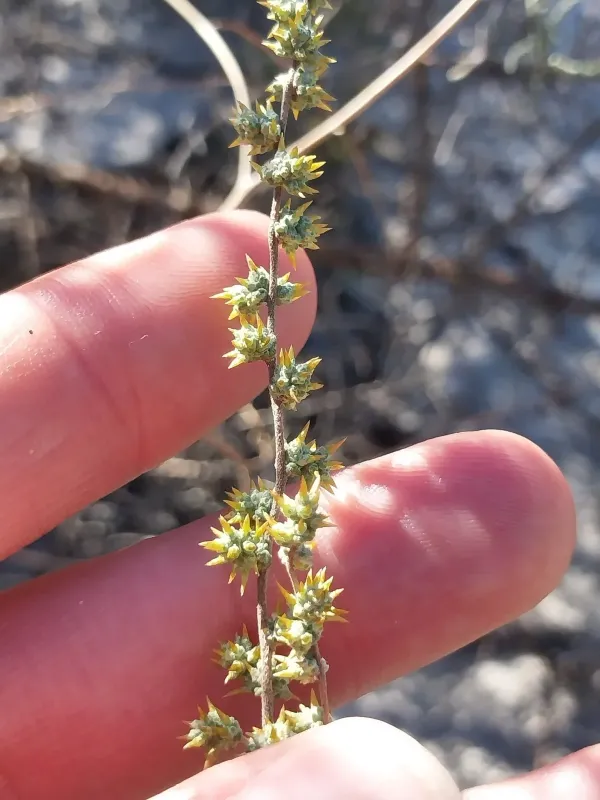
Description
Growing requirements
Seriphium plumosum is a perennial shrub belonging to the Asteraceae family, native to the arid and semi-arid regions of Southern Africa. This plant is well-adapted to harsh environmental conditions, thriving in environments where moisture is limited and solar radiation is intense throughout the year.
Cultivation of this species requires well-draining, sandy or rocky soil compositions to ensure root health. The plant exhibits high drought tolerance but is extremely susceptible to root rot if the growing medium remains persistently wet for extended periods.
Full sun exposure is a mandatory requirement for maintaining the plant's characteristic form and vigor. Shade-grown specimens often exhibit structural weakness and increased vulnerability to pests due to the lack of sufficient light for proper photosynthesis.
Agrotechnical management focuses on minimal nutritional intervention, as the species is adapted to nutrient-poor soils. Excessive nitrogen fertilization can lead to unbalanced growth, weakening the stems and reducing the plant's long-term survival prospects.
The plant serves practical roles in landscaping and ecological restoration, particularly for stabilizing loose soils on slopes. Its dense, feather-like foliage makes it an effective ground cover that prevents wind erosion in sensitive agricultural or arid landscapes.
Main diseases and pests
Root rot, primarily caused by Phytophthora species, is the most critical threat to the longevity of Seriphium plumosum. Preventing waterlogging is the only effective strategy for managing this severe agricultural risk in high-density plantings.
Aphid infestations are a common issue, often occurring in the spring when new growth emerges. These pests feed on sap, which can stunt development and facilitate the transmission of secondary viral diseases through damaged tissue.
Powdery mildew may develop if there is insufficient air movement around the foliage, especially in climates with high relative humidity. Ensuring proper plant spacing is essential to facilitate air circulation and mitigate the risk of fungal spread.
Mites can cause significant damage to young shoots, resulting in yellowing and leaf loss. Regular scouting during the early growth stages is necessary to detect early-stage damage and implement appropriate control measures before infestation spreads.
Soil-borne pests and pathogenic imbalances pose secondary threats, usually arising from repetitive cultivation without proper soil rotation. Maintaining soil health through appropriate monitoring and organic enrichment is vital for long-term production success.