
Giant sequoia
Sequoiadendron giganteum (Lindl.) J. Buchholz
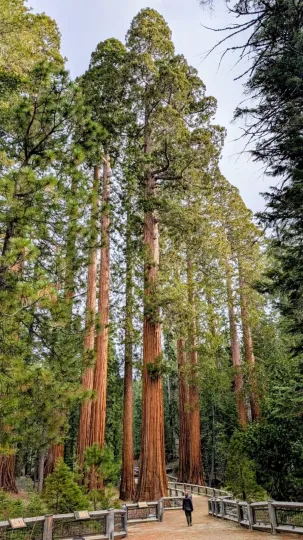
Description
Growing requirements
Giant sequoia (Sequoiadendron giganteum) is an impressive evergreen conifer belonging to the Cupressaceae family. It is known for its massive stature, thick fibrous bark, and the ability to thrive for centuries in stable environmental conditions.
The native habitat of this species is limited to the western slopes of the Sierra Nevada mountains in California. It thrives in high-altitude zones where mild winters and reliable moisture levels are consistent throughout the year.
Cultivation requires deep, well-draining, and nutrient-rich soil. The plant does not tolerate waterlogging, as the roots are highly susceptible to oxygen deprivation in heavy or clay-dominant soil structures.
When selecting a site, it is crucial to ensure protection from severe winter winds. While mature trees are robust, young saplings need careful placement to avoid temperature extremes and physical damage during the establishment phase.
Economic and landscape use is primarily focused on specimen planting in large arboretums and public gardens. Its historical significance and longevity make it a sought-after species for long-term landscaping projects in suitable climates.
Main diseases and pests
Root rot caused by fungal pathogens is the primary health concern for giant sequoias. This is often linked to poor drainage management, which allows pathogens to proliferate in the root zone during wet seasons.
Pests such as spider mites and aphids are known to attack the foliage, especially when the tree is stressed by drought. Early detection and the application of integrated pest management practices are essential to protect the canopy.
Physical damage to the bark by wildlife or machinery can provide entry points for secondary infections. Maintaining a clean mulch layer around the base can help manage soil moisture and suppress competition from weeds.
Drought stress is a major factor in modern arboriculture. Prolonged lack of water inhibits growth and weakens the tree's natural defense mechanisms against insects and environmental diseases.
Regular maintenance should include inspecting the needles for discoloration. Applying systemic treatments and ensuring optimal irrigation schedules will significantly improve the long-term vitality of the trees in a managed environment.