
Senna rugosa
Senna rugosa
Description
Growing requirements
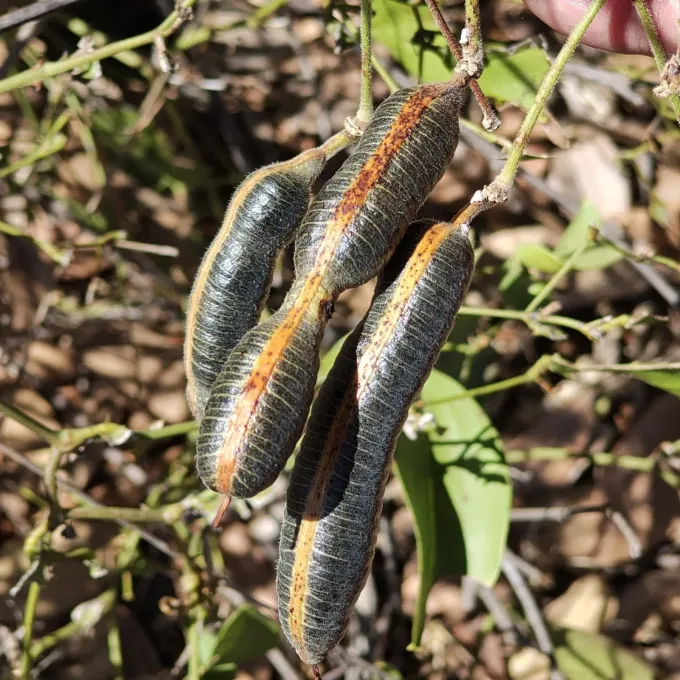
Senna rugosa is a woody perennial shrub belonging to the Fabaceae family, native to South America. It is recognized for its robust growth habit and adaptability to various tropical and subtropical environmental conditions.
The plant requires full sun exposure to thrive and produce its characteristic yellow inflorescences. Adequate light is essential for maintaining the plant's vigor and preventing spindly stem development.
Soil requirements include well-draining substrates, as the root system of Senna rugosa is highly susceptible to rot under waterlogged conditions. Sandy or loamy soils with moderate fertility are considered optimal for its cultivation.
While the species is notably drought-tolerant once established, supplemental irrigation is recommended during prolonged dry seasons to ensure continued leaf development and healthy floral production.
Good agricultural practice for this species involves periodic pruning to manage plant size and encourage branching. Additionally, its role as a nitrogen-fixing plant makes it a valuable asset for soil restoration in degraded agricultural landscapes.
Yield
The economic and utility-based value of Senna rugosa is primarily centered on its environmental and ornamental applications. It is frequently utilized in landscaping and reforestation projects in its native range.
The biomass produced by Senna rugosa serves as an effective green manure, enriching the soil with organic matter and nitrogen through symbiotic nitrogen fixation, which benefits neighboring crops.
The plant functions as a significant pollinator-friendly species, attracting diverse populations of insects, which enhances biodiversity within and around the agricultural plot.
In certain contexts, specific plant parts are utilized in ethnobotanical practices, though formal commercial agricultural production remains niche and specialized.
Overall productivity is measured by the plant's ability to maintain soil health and provide sustainable ecosystem services rather than traditional grain yield, making it an essential component of permaculture systems.
Main diseases and pests
Common pests associated with Senna rugosa include various lepidopteran larvae that feed on foliage, potentially causing significant defoliation if left unmanaged during peak growing seasons.
Fungal pathogens represent a primary health risk, particularly in high-humidity climates. Diseases such as root rot or leaf spot can occur if the planting site lacks proper ventilation and drainage.
Aphids and thrips are typical insect pests that cluster on tender new growth. Infestations by these insects can stunt flower development and decrease the plant's aesthetic value.
Effective management strategies emphasize integrated pest management (IPM), favoring biological controls and the removal of affected plant parts over broad-spectrum chemical interventions.
Preventative measures, such as maintaining appropriate spacing between individual plants and ensuring correct watering protocols, are vital to reducing the susceptibility of the shrubs to both diseases and pest colonization.