
Senna petersiana
Senna petersiana
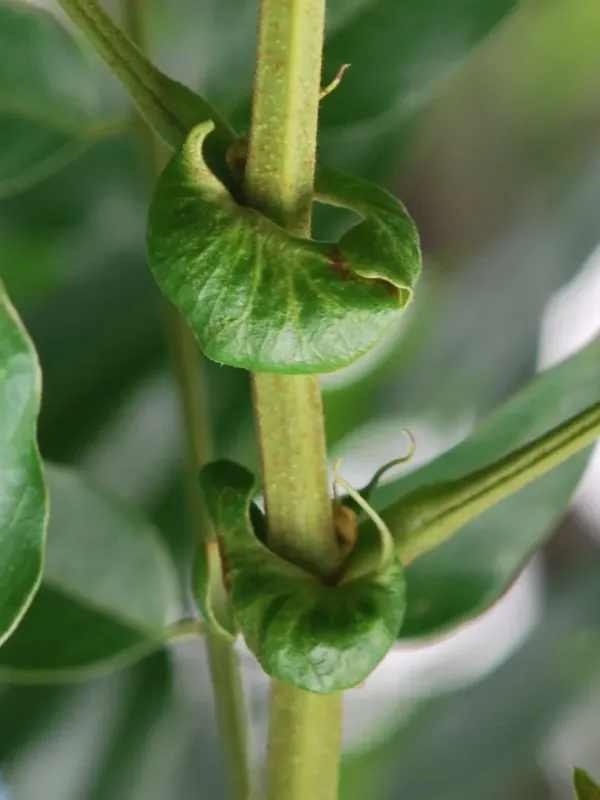
Description
Growing requirements
Senna petersiana is a member of the Fabaceae family, known for its distinct botanical characteristics typical of tropical leguminous shrubs and trees. Originating from Africa, it thrives in warm, frost-free environments.
The crop requires full sun exposure to maintain optimal physiological activity. Being a tropical species, it exhibits vigorous growth during hot seasons and slows down significantly if temperatures drop below typical tropical thresholds.
Soil requirements for Senna petersiana focus on well-drained conditions. It prefers sandy or loamy soils with a balanced pH, avoiding waterlogged substrates that often trigger root-related diseases.
Water management is crucial during the plant's early establishment phase. While mature plants show notable drought tolerance, supplemental irrigation is recommended in agricultural settings to ensure uniform vegetative growth.
The cultural practices include regular monitoring of soil fertility. While legumes possess nitrogen-fixing capabilities, supplemental nutrients are often provided in commercial setups to maximize biomass production.
Main diseases and pests
Common threats to Senna petersiana include fungal infections that manifest as leaf spots or stem rot, particularly in regions with high humidity levels and poor ventilation between individual plants.
Insect pests such as caterpillars and aphids represent a major concern during the flushing of new leaves. Early detection is essential to prevent significant damage to the plant's photosynthetic capacity.
Nematodes can pose a hidden threat, especially in sandy soils. Implementing soil testing protocols and using resistant varieties or crop rotation schedules can mitigate these risks effectively.
Chemical control measures should be applied according to local agricultural regulations, prioritizing biopesticides to maintain the environmental safety of the crop yield.
Effective orchard or field sanitation is the primary line of defense. Removing infected plant parts and maintaining consistent spacing helps to minimize the spread of airborne pathogens.