
Sematophyllum micans
Sematophyllum micans
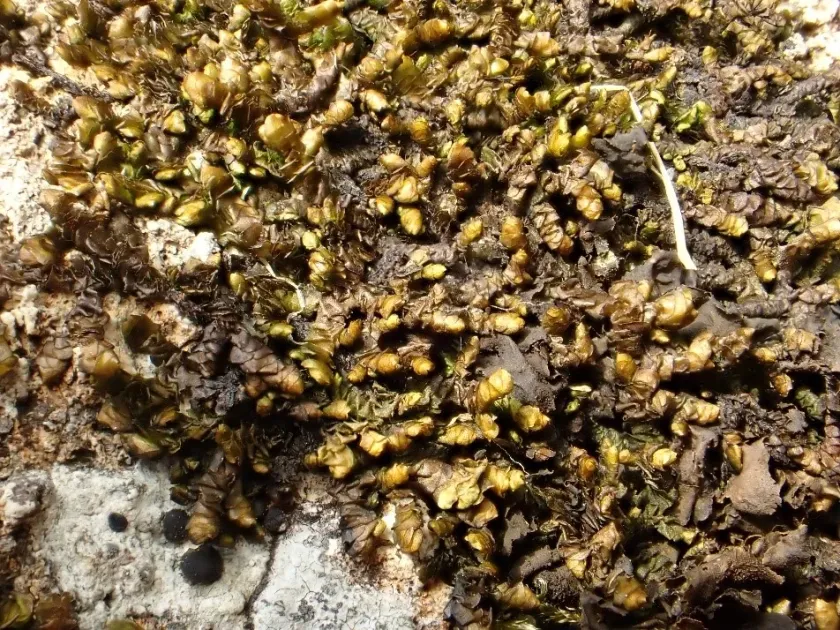
Description
Growing requirements
Sematophyllum micans is a species of pleurocarpous moss belonging to the family Sematophyllaceae. While not a cultivated agricultural crop, it is a significant element of forest biodiversity, often found in humid environments across temperate regions.
The species primarily inhabits moist habitats such as decaying logs, tree roots, or damp rocky substrates. It requires a stable microclimate characterized by high air humidity and protection from direct sunlight, which would cause rapid desiccation of the plant tissues.
Climate requirements for this moss include a preference for consistent moisture levels throughout the year. It does not tolerate prolonged drought, which highlights its dependence on oceanic or humid forest climates where rainfall or fog is frequent.
Soil and substrate conditions are typically acidic. The moss utilizes the substrate primarily for anchorage, while obtaining the majority of its nutrients and moisture from the atmosphere and through surface absorption from damp surfaces.
Botanically, Sematophyllum micans forms dense, shiny mats that vary in color from golden-green to deep green. These mats provide essential micro-habitats for various microorganisms and small invertebrates within the forest floor ecosystem.
Main diseases and pests
Habitat destruction remains the most significant threat to the survival of Sematophyllum micans. Large-scale deforestation removes the canopy cover that creates the shade and humidity necessary for the moss to thrive.
Atmospheric pollution is a major factor in the decline of this species. Because mosses absorb nutrients directly through their leaves, they are extremely susceptible to air pollutants, particularly sulfur dioxide, which inhibits their growth.
Climate change, manifesting as altered precipitation patterns, poses a long-term risk. Frequent summer droughts prevent the successful reproduction of the moss, as spores require a sustained period of high humidity to germinate and establish.
Fragmentation of forest patches reduces the connectivity between potential habitats. This makes it difficult for the moss to colonize new areas, as its dispersal and growth rates are naturally slow compared to vascular plant species.
Although the plant does not face typical agricultural pests, disturbance of the forest floor by human activity or heavy machinery can physically destroy established colonies, leading to local extinction in impacted areas.