
Sematophyllum demissum
Sematophyllum demissum
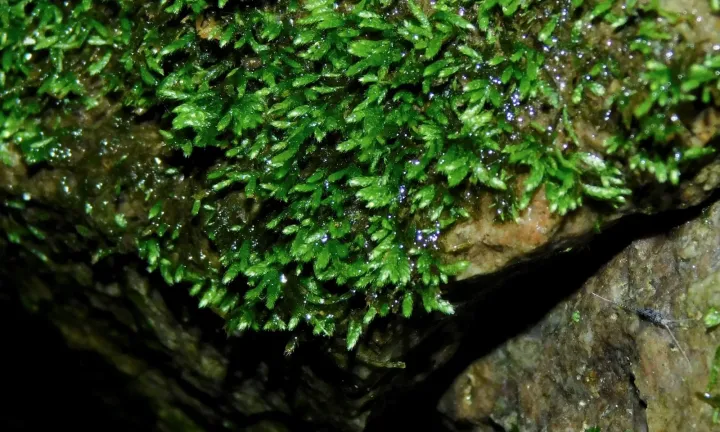
Description
Growing requirements
Sematophyllum demissum is a species of pleurocarpous moss belonging to the family Sematophyllaceae. While not a commercial crop, it is a significant member of forest floor ecosystems, contributing to biodiversity and moisture regulation in temperate and subtropical climates.
The plant typically forms dense, yellowish-green mats. Its stems are creeping and branched, allowing it to adhere closely to surfaces such as decaying logs, damp rocks, and moist soil found within shaded forest environments.
The geographic range is widespread, primarily within the Northern Hemisphere. It thrives in humid conditions and is often associated with late-stage succession in forest habitats where micro-environments remain constantly damp.
Growth requirements emphasize the need for high atmospheric humidity and protection from direct sunlight. The species acts as an indicator of stable, humid forest conditions, as it lacks the cuticle structures found in higher plants to protect against desiccation.
The substrate preference usually involves acidic organic matter. As a non-vascular plant, Sematophyllum demissum relies on absorbing water and nutrients directly through its leaves from the surrounding environment, making it sensitive to water quality.
Main diseases and pests
The primary threats to Sematophyllum demissum involve the disruption of forest microclimates. Deforestation and land-use changes that increase exposure to wind and sunlight reduce the humidity levels necessary for its survival.
Air pollution and atmospheric deposition of pollutants pose a significant threat to its delicate tissues, as mosses are known to accumulate substances from the air and water, leading to physiological stress.
Habitat fragmentation due to intensive forestry practices often removes the decaying wood and debris, which are essential colonization substrates for the species, thereby limiting its population expansion.
Climate change trends, characterized by longer drought periods, pose a severe threat by restricting the availability of water required for the moss's sexual reproduction cycle, which depends on water films for sperm movement.
Invasive species or shifts in forest composition can alter light availability and humidity levels, leading to competitive exclusion where Sematophyllum demissum is outcompeted by more aggressive or tolerant species.