
Selenastrum gracile
Selenastrum gracile
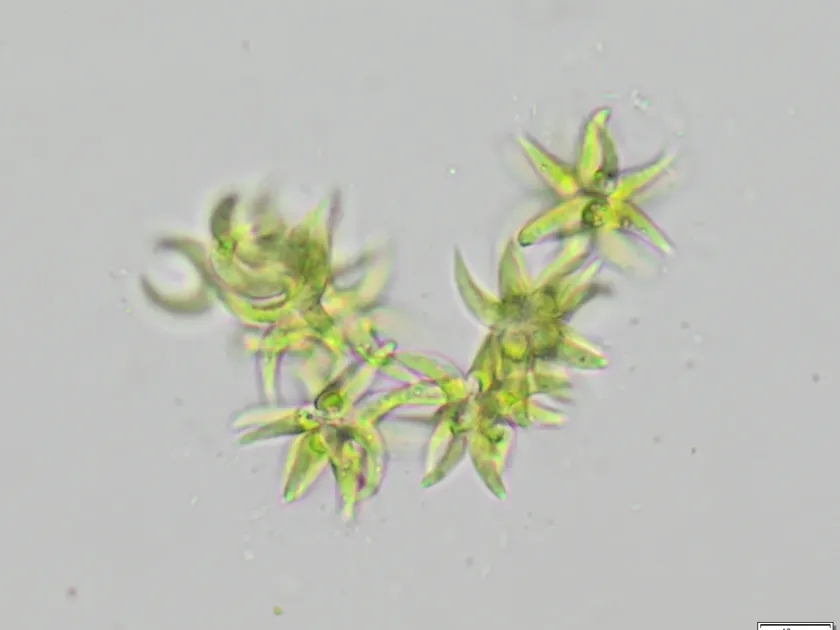
Description
Growing requirements
Selenastrum gracile is a unicellular green microalgae belonging to the family Selenastraceae. This species is widely recognized in the scientific community for its rapid growth rate and potential for mass cultivation in biotechnological installations, such as photobioreactors.
The cultivation of this microalgae requires strictly controlled light conditions, as photosynthesis is the primary driver of its metabolic activity. Optimizing the photoperiod and light intensity is essential to ensure maximum biomass accumulation throughout the production cycle.
Temperature regulation is equally vital; the culture thrives best within a specific range, usually between 20 and 30 degrees Celsius. Maintaining stability within this thermal window is crucial for preventing physiological decline and ensuring high productivity of the algal mass.
The nutrient medium must be rich in nitrogen, phosphorus, and essential trace elements, which are supplied in precise proportions. Furthermore, the systematic injection of carbon dioxide is required to maintain carbon availability for carbon fixation, which is the cornerstone of its organic matter production.
Efficient agitation systems are used in the production process to ensure that all cells receive uniform exposure to light and nutrients while maintaining optimal suspension density. This industrial approach allows for efficient harvesting and processing of Selenastrum gracile for various commercial uses, including biofuel research and high-value extracts.
Main diseases and pests
The primary threats to Selenastrum gracile cultures are biological contamination, particularly from invasive protozoa and harmful bacteria. Maintaining a sterile or highly controlled environment is mandatory to prevent these pests from compromising the integrity and yield of the algae crop.