
Seemannia gymnostoma
Seemannia gymnostoma
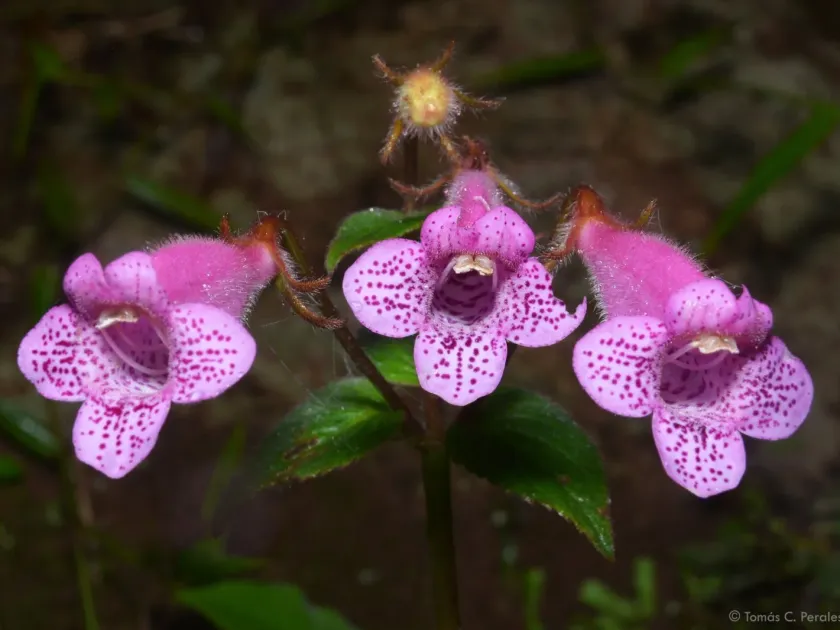
Description
Growing requirements
Seemannia gymnostoma is a fascinating perennial herb belonging to the Gesneriaceae family. Originating from the mountainous regions of South America, this plant is well-known for its distinctive tubular flowers and velvety foliage, making it a prized specimen for indoor gardening.
The cultural requirements dictate a need for bright, indirect light. Unlike many other tropical species, Seemannia gymnostoma appreciates filtered sunlight, which helps maintain the vibrant color and structural integrity of its leaves and stems.
Soil composition should be highly porous to ensure efficient drainage. A blend of high-quality peat moss, perlite, and small bark chips works best to simulate the plant's natural epiphytic or lithophytic environment found in the Andes.
Temperature management is crucial for the plant's life cycle. During the growing season, temperatures between 20°C and 25°C are ideal. Once the flowering period concludes, the plant enters a dormant phase, requiring lower temperatures and reduced watering.
Humidity control is essential for maintaining the plant's health. While it prefers moist air, it is vital to avoid spraying water directly onto the leaves if the environment is cool, as this can encourage the development of fungal spores.
Main diseases and pests
The most common disease threat is root rot, which typically stems from over-watering or the use of heavy, water-retentive soils that lack oxygen. Ensuring the substrate dries slightly between waterings is the primary defense strategy.
Pest management should focus on preventing outbreaks of spider mites. These tiny arachnids thrive in dry indoor conditions and can cause significant damage to the plant's foliage if left unchecked for an extended period.
Mealybugs are another prevalent concern for the species. These pests often hide in the axils of the leaves, making them difficult to detect. Regular inspection and, if necessary, treatment with horticultural soaps are recommended.
Botrytis, or gray mold, can affect the plant in poorly ventilated environments. To prevent this, growers should ensure good air circulation around the plants and avoid overcrowding specimens in the greenhouse or home environment.
Fungal leaf spots may occur if the plant is exposed to excessive overhead moisture without proper light exposure. Prioritizing root-zone watering techniques significantly reduces the risk of such common horticultural issues.