
Securinega durissima
Securinega durissima
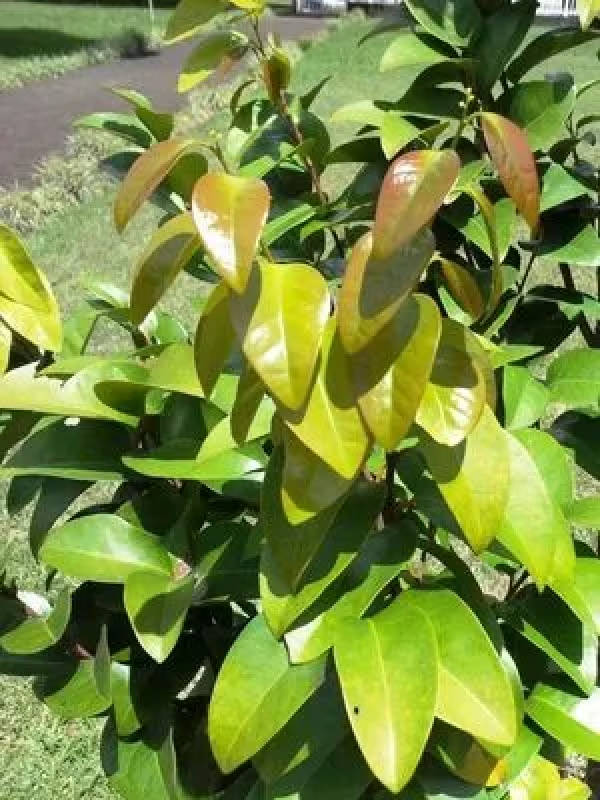
Description
Growing requirements
Securinega durissima is a perennial woody shrub belonging to the Phyllanthaceae family. Native to tropical zones, this species requires a stable and warm climate to thrive throughout the year.
The plant is extremely sensitive to frost, making protected cultivation or greenhouse management the only viable option in temperate regions. Controlled environments help maintain consistent growth parameters.
Optimal soil conditions include well-drained, fertile substrates with a neutral pH. Proper soil aeration is critical, as root systems are prone to damage in compacted or waterlogged soils.
High light intensity is essential for the plant's metabolic processes. Sufficient exposure to sunlight stimulates the production of secondary metabolites, which are the main focus of commercial harvest.
Standard agrotechnical practices involve scheduled irrigation and periodic application of organic mulch to maintain moisture levels. Precision in watering is required to balance growth without encouraging pathogens.
Yield
The primary agricultural goal for Securinega durissima is the production of medicinal raw material. The plant is harvested for its alkaloids, which are extracted for pharmaceutical use.
Economic yield is calculated based on the biomass of young leaves and soft shoots harvested during the active growing season. Mature plants provide the most consistent raw material supply.
Optimizing planting density is a key strategy for increasing overall field yield. Ensuring adequate spacing between shrubs allows for better light penetration and air circulation.
Sustainable harvesting involves selective pruning, which encourages the plant to produce new shoots. This process significantly improves long-term productivity and maintains the plant's health.
Quality management during post-harvest processing is vital. Quick drying and controlled storage conditions prevent the degradation of active chemical compounds in the harvested material.
Main diseases and pests
Root rot caused by fungal pathogens is the most significant threat to plant health, especially in greenhouse environments where humidity levels may spike suddenly.
Pests such as spider mites and aphids present constant challenges. These insects target tender foliage, leading to reduced photosynthetic capacity and lower quality of the medicinal harvest.
Integrated pest management, including biological controls and selective use of environmentally safe pesticides, is necessary to maintain the purity of the pharmaceutical product.
Poor ventilation and high humidity foster the development of mildew, which can spread rapidly through a dense planting arrangement if left unmonitored.
Vigilant inspection protocols are required to detect early signs of stress or infection. Proactive removal of damaged parts helps isolate issues and protects the remaining healthy crop.