
Sea grape
Coccoloba uvifera (L.) L.
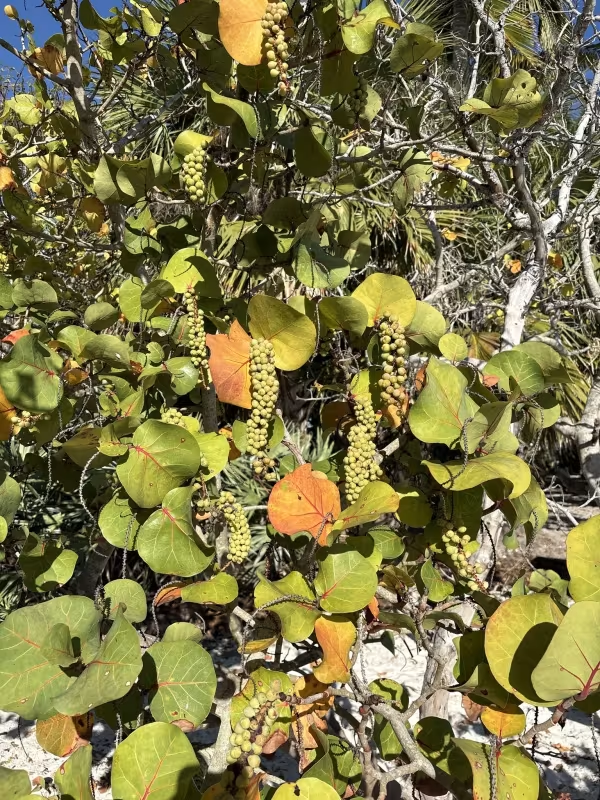
Description
Sowing dates
The propagation of Coccoloba uvifera, a member of the Polygonaceae family, is typically achieved through seeds or stem cuttings in a controlled environment.
Fresh seeds should be sown immediately after removal from the fruit pulp in a well-drained medium, as their viability decreases rapidly over time.
Stem cuttings are a preferred method for cloning desirable traits; these cuttings require a humid environment and rooting hormones to establish successfully.
Young plants should be kept in protected nursery conditions until they develop a robust root system, which helps them withstand environmental stressors later.
Selecting healthy, semi-hardwood cuttings during the active growing season significantly improves the survival rate and establishment of new sea grape shrubs.
Growing requirements
Sea grape is a tropical, frost-sensitive plant that thrives in warm climates and requires full sunlight for optimal growth and fruit production.
One of the most notable features of this species is its exceptional tolerance to salt spray and saline soil, making it a staple for seaside landscaping.
The plant performs best in sandy or rocky substrates where water drainage is excellent, as it is highly susceptible to root damage in waterlogged soils.
While drought-tolerant once established, supplemental irrigation during prolonged dry spells can lead to more vigorous growth and increased yield quality.
Proper spacing between plants is crucial to ensure adequate airflow within the canopy, which helps in preventing moisture-related fungal issues.
Yield
The primary agricultural interest in sea grape lies in its edible, grape-like fruit clusters that are popular for making jams, jellies, and fermented beverages.
The high pectin content of the fruit makes it an excellent choice for preserving without the need for additional synthetic gelling agents during processing.
Beyond fruit production, the sea grape is widely valued in ecological agriculture for stabilizing coastal dunes and preventing soil erosion in tropical regions.
The hard, dense wood of mature trees has historically been used for crafting decorative items and small furniture pieces, highlighting its multiple uses.
In addition to its culinary and wood value, the tree acts as a significant nectar source for pollinators, supporting the overall health of the local ecosystem.
Main diseases and pests
Fungal leaf spot diseases are common in humid environments, particularly when stagnant air allows spores to germinate and infect the foliage of the plant.
Pests such as scale insects and mealybugs can infest the leaves and stems, leading to stunted growth if left unmanaged in a productive orchard setting.
Root rot caused by Phytophthora species is a serious risk if the soil lacks sufficient drainage, especially in areas with high annual rainfall totals.
Regular sanitation, which includes the removal of fallen leaves and infected branches, is essential to minimize the inoculum of pathogens in the orchard.
Integrated pest management strategies are recommended, focusing on biological controls and minimal chemical use to protect the tree's health and fruit safety.
Harvesting
The harvest period occurs when the individual grapes transition from green to a deep red or purple hue, signaling the peak of sweetness and ripeness.
Because the berries in a cluster do not ripen simultaneously, multiple harvesting passes are required to collect the fruit at the peak of quality.
The thin skin of the fruit makes it perishable, necessitating careful handling and prompt processing after harvest to maintain freshness and prevent spoilage.
For best results, fruit should be picked early in the morning when temperatures are lower, which helps preserve the structural integrity of the clusters.
Once gathered, the clusters should be sorted to remove any damaged or immature berries before being used for culinary purposes or commercial production.