
Scutellaria scordiifolia
Scutellaria scordiifolia
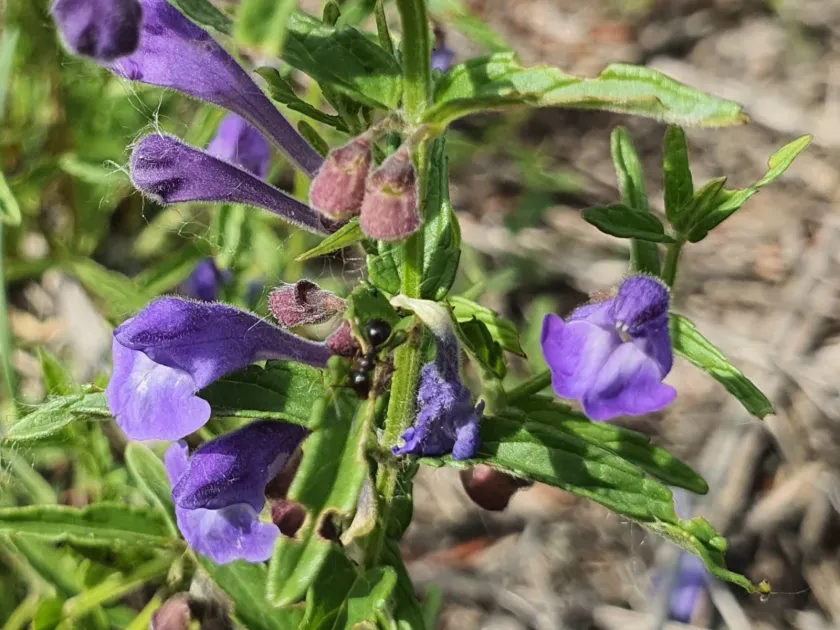
Description
Sowing dates
Sowing of Scutellaria scordiifolia seeds is mainly carried out in spring, as soon as the soil warms up to 10-12 degrees Celsius. The optimal time for uniform emergence is late April or early May, when the threat of late frosts is minimized.
Late autumn sowing in October is also possible, allowing natural seed stratification in the soil throughout the winter. This method promotes earlier seed germination in the spring and hardening of young plants.
When using the seedling method, seeds are sown in trays or cassettes in March. Seedlings are transplanted into open ground at the age of 45-60 days, ensuring proper planting density for optimal plant growth.
The seeding depth should not exceed 0.5-1 centimeter. Small seeds require high-quality pre-sowing soil preparation, which should be fine-textured and weed-free to ensure good contact with the ground.
After sowing, it is recommended to roll the plot to prevent the top layer of soil from drying out. In conditions of insufficient moisture, moderate watering is mandatory to avoid the formation of a soil crust that hinders germination.
Growing requirements
Scutellaria scordiifolia belongs to the Lamiaceae family and is a perennial herbaceous plant. In nature, it is found in the Far East and Eastern Siberia, preferring open meadows, riverbanks, and stony slopes.
The crop has high light requirements. For healthy development and the accumulation of biologically active substances, Scutellaria needs direct sunlight, as plants grown in the shade tend to become elongated and have lower flavonoid concentrations in their roots.
The plant prefers moderately moist, well-drained soils with a neutral or slightly acidic pH. Heavy clay soils without drainage are detrimental to the root system, so it is important to choose plots with a light mechanical composition.
The species is well-adapted to climatic conditions, demonstrating high winter hardiness and the ability to withstand harsh winters with low temperatures. However, in the first years of growth, the crop is sensitive to severe drought and requires regular irrigation.
Agrotechnics include regular inter-row cultivation and weeding, especially during the initial phase of vegetation. The plant responds well to mineral fertilizers, particularly phosphorus-potassium complexes, which increase the productivity of rhizomes.
Main diseases and pests
The main threat to the crop is root rot, which develops under conditions of excessive soil moisture. Water stagnation triggers fungal infections that can lead to the death of a significant portion of the plantation.
Common pests include leaf-eating insects and aphids, which attack the aerial parts of the plant during hot and dry periods. Controlling them requires the use of biological or systemic insecticides while adhering to safety harvest intervals.
Powdery mildew can occur in dense plantings with poor aeration. An important preventive measure is adhering to crop rotation and avoiding excessive seeding density, which improves airflow in the canopy.
To minimize risks, it is necessary to strictly follow the agrotechnological regulations, including sanitary cleaning of fields from plant residues in the autumn. This reduces the infection pressure common to many Lamiaceae plants.
Monitoring the state of the fields should be carried out weekly throughout the entire growing season. Timely detection of disease signs allows for localizing outbreaks and avoiding large-scale pesticide applications.