
Scutellaria resinosa
Scutellaria resinosa
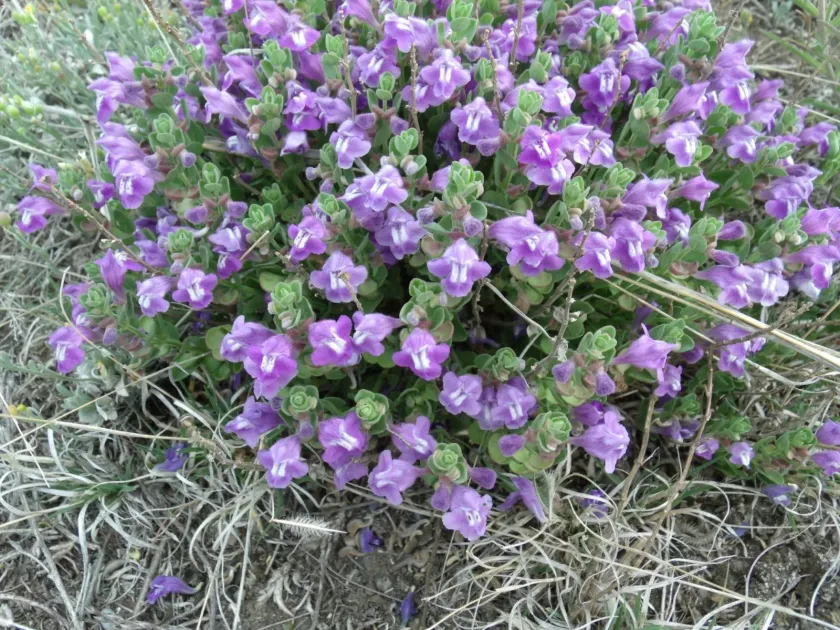
Description
Sowing dates
Seeds of Scutellaria resinosa should be sown in spring once the soil has warmed up, or in late autumn for winter sowing in milder climates. For greenhouse production, sow in trays during late February or March, ensuring seeds receive a cold stratification period to break dormancy.
Sowing depth should be very shallow, as the seeds require light to germinate effectively. Once sown, keep the substrate consistently moist but not waterlogged until germination occurs, which typically happens within three weeks of sowing.
When transplanting into the field, maintain a spacing of 30 to 40 centimeters between rows to ensure proper air circulation. Proper spacing is crucial to prevent foliage diseases associated with high humidity and poor ventilation in the field.
A density of 6 to 8 plants per square meter is recommended to achieve an optimal balance between growth and quality. Weed control is essential during the initial stages of establishment as the plants are slow to develop and can be easily outcompeted.
Thinning the seedlings should be done after the first pair of true leaves appears. Prioritizing the most vigorous plants will ensure a healthier crop stand and more uniform development throughout the growing season.
Growing requirements
Scutellaria resinosa, a member of the Lamiaceae family, is a drought-tolerant perennial herb native to the rocky prairies of North America. It thrives in conditions that mimic its natural habitat, requiring high levels of solar radiation for optimal development.
The plant demands well-drained, porous soil, preferably with a limestone or gravelly component. Soil that retains excessive moisture is detrimental, as the roots are highly susceptible to rotting if they remain in saturated conditions for an extended period.
In terms of climate, it is highly adaptable to continental environments, tolerating intense summer heat and significant temperature fluctuations. Once the root system is well-established, the plant requires very little supplemental irrigation, making it a low-input crop.
Fertilization needs are minimal; applying a small amount of balanced fertilizer in early spring is generally sufficient. High nitrogen levels should be avoided, as they may reduce the plant's natural production of secondary metabolites and weaken its structure.
Mulching the soil surface with small gravel around the base of the plant is an excellent practice. This not only preserves soil structure but also prevents the foliage from coming into direct contact with damp soil, thereby reducing the risk of fungal infections.
Main diseases and pests
Root rot is the primary threat to this species, usually resulting from inadequate drainage or excessive soil moisture. To manage this risk, ensure that the planting site has a slope or improved drainage system to prevent water pooling near the crown of the plant.
Aphids can infest young growth during periods of rapid vegetative development. Regular inspections are recommended, and if populations become significant, the use of insecticidal soaps or biological controls can effectively manage the infestation without harm.
Powdery mildew may develop if plants are spaced too closely in humid conditions. Maintaining proper airflow and thinning the foliage during late summer can significantly reduce the incidence of this fungal disease throughout the plantation.
Soil-dwelling larvae, such as those of the June beetle, can damage the roots of new plantings. Site preparation including deep cultivation before planting is highly effective at reducing the population of such pests in the soil.
Slugs and snails may occasionally feed on young foliage during wet springs. Implementing physical barriers, such as copper tape or crushed eggshells, can protect the plants without resorting to harsh chemical treatments that could contaminate the crop.