
Scutellaria racemosa
Scutellaria racemosa
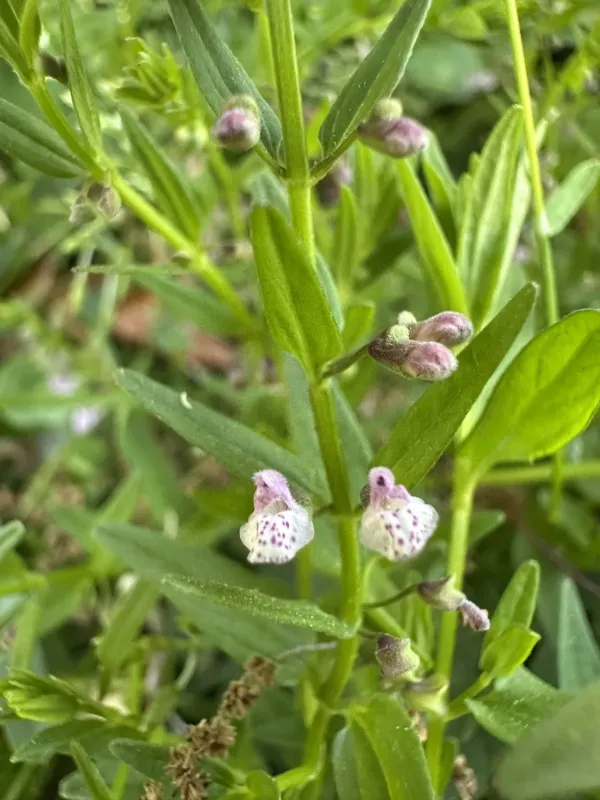
Description
Sowing dates
Scutellaria racemosa belongs to the Lamiaceae family, a group of plants known for their diverse chemical profiles and widespread traditional usage. It is recognized as a hardy herbaceous plant with distinctive raceme-like inflorescences.
Sowing should ideally occur in early spring once soil temperatures have stabilized above 10-12 degrees Celsius, ensuring optimal conditions for germination and early root development.
Precision planting is essential due to the small size of the seeds. They should be covered lightly with soil, ensuring they remain in contact with moisture without being buried too deep to emerge successfully.
Using tray-grown seedlings is an effective strategy for professional cultivation, allowing for better control over the environment and ensuring uniform plant spacing in the open field.
Consistent soil moisture management during the germination phase is critical, as the small seeds are highly sensitive to drought stress during their initial growth stages.
Growing requirements
The crop thrives in well-lit environments and prefers fertile, well-drained loamy soils. Proper drainage is the most important factor in preventing root-related complications and promoting plant health.
The plant adapts well to moderate climatic conditions, showing resilience against fluctuating temperatures, provided that it receives sufficient sunlight for consistent photosynthesis throughout the day.
Nutrient management involves applying balanced, low-concentration fertilizers to boost vegetative growth. Over-fertilization should be avoided to preserve the plant's natural chemical balance.
Regular cultivation of the inter-row areas is necessary to improve soil aeration, which significantly promotes robust root expansion and minimizes the risk of stagnation.
Site selection should focus on areas with minimal wind pressure and good airflow, as stagnant, humid air can create favorable conditions for various pathogens and pests.
Main diseases and pests
The primary threats include fungal diseases caused by excessive soil humidity or overcrowding. Proper spacing is the most effective preventative measure against these challenges.
- Monitoring for aphid infestations.
- Detecting early signs of root rot.
- Preventing weed encroachment in early stages.
- Removing infected plants from the plot.
- Applying natural bio-fungicides if necessary.
Pest control strategies should be centered around non-toxic, sustainable solutions to maintain the biological purity of the product, especially if intended for pharmaceutical use.
Strategic crop rotation is highly recommended to prevent the buildup of soil-borne diseases that are specific to the Lamiaceae family and can jeopardize long-term yields.
Maintaining a proactive monitoring program allows for the identification of potential threats early, enabling precise and localized interventions rather than field-wide treatments.
Harvesting
Harvesting is executed during the peak blooming phase, which is when the concentration of beneficial secondary metabolites in the foliage is at its highest point.
The aerial parts are harvested using sharp equipment to minimize structural damage to the plant, ensuring that the remaining plant base can remain healthy for the remainder of the season.
Post-harvest processing involves immediate transfer to drying facilities to preserve quality. Proper drying at controlled, low temperatures is vital to prevent the loss of active compounds.
Once dried, the biomass should be packaged in breathable containers and stored in cool, dark, and dry conditions to ensure long-term shelf stability of the herbal material.
Post-harvest cleanup of the field is an essential final step, as it helps to eliminate residual debris that could potentially host pathogens over the coming winter period.