
Scutellaria purpurascens
Scutellaria purpurascens
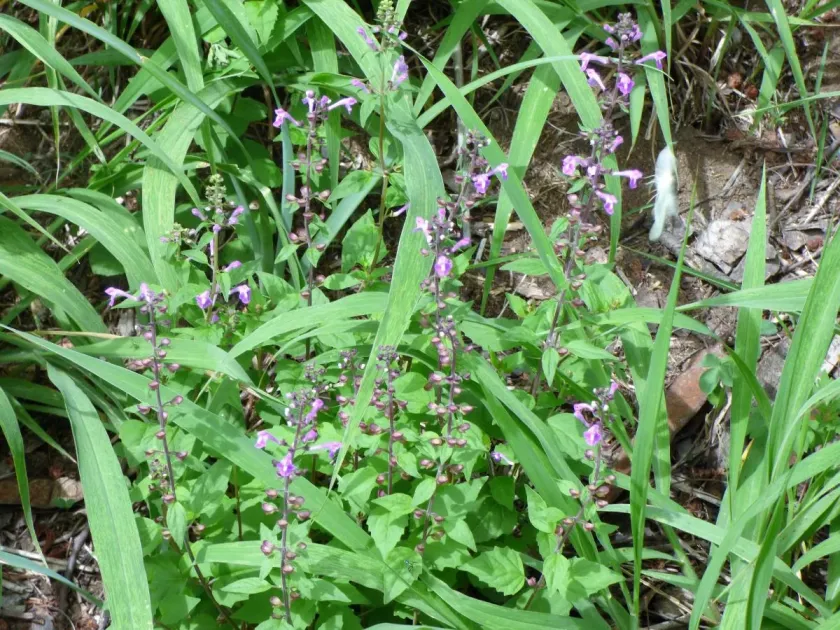
Description
Sowing dates
Scutellaria purpurascens, a member of the Lamiaceae family, requires specific conditions for successful germination. Sowing is typically performed in early spring once the soil temperature consistently reaches 10 degrees Celsius.
To improve germination rates, seeds often require stratification at cool temperatures for several weeks. The optimal sowing depth is 1 to 2 centimeters to ensure the seeds remain sufficiently hydrated while having access to oxygen.
Greenhouse propagation is a common practice for this species. Seeds are sown in trays in March and transplanted to the field in late May, which allows for better establishment of the root system during the growing season.
Row spacing should be planned to accommodate mechanical equipment, typically ranging from 45 to 60 centimeters. This provides the plants with enough space to expand and helps reduce competition for nutrients.
Maintaining proper plant density is crucial to ensure high-quality root development. A density of 10 to 12 plants per linear meter is generally recommended to prevent overcrowding and promote robust growth.
Growing requirements
Scutellaria purpurascens thrives in fertile, well-drained loamy or sandy soils with a neutral pH. The plant is highly sensitive to waterlogging, so areas with poor drainage or high water tables should be avoided.
This species is light-demanding and requires full sun to maximize the biosynthesis of medicinal compounds in the roots. Shade can lead to poor development and lower concentrations of active secondary metabolites.
The climate should be temperate and stable. While the plant is generally hardy, mulching in regions with severe winters without snow is recommended to protect the crown and roots from deep frost damage.
Nutrient management focuses on balanced fertilization. Nitrogen application should be limited to the early growth phase, whereas potassium and phosphorus are prioritized during the bud-forming stage to strengthen the roots.
Irrigation must be precise to avoid overwatering. While the plant can withstand short periods of drought, consistent moisture during the active vegetative stage is essential for reaching optimal harvest yields.
Yield
Yield is primarily measured by the mass of the dried root system. Production performance depends heavily on the age of the crop, with maximum yields typically achieved by the end of the third growing season.
Under optimal farming conditions, the expected yield ranges from 1.5 to 2.5 tonnes of dried roots per hectare. The growth process is relatively slow in the first year, focusing on foliage establishment.
Several factors contribute to high yields:
- Selection of genetically uniform, high-quality seeds.
- Effective weed control during the establishment phase.
- Optimal soil structure and fertility management.
- Strategic irrigation during peak heat.
- Harvesting at the precise time of physiological maturity.
The biological development of this species implies that roots accumulate the highest concentration of active compounds towards the end of their second or third year of life.
After three years, root growth often reaches a plateau or slows down significantly. Farmers typically cycle fields at this point, harvesting the roots and rotating to different crops to maintain soil health.
Main diseases and pests
Root rot is the most significant threat to this culture, primarily caused by waterlogged soil and poor drainage conditions. It can lead to rapid wilting and complete loss of the plant population.
Powdery mildew may occur during periods of high humidity. It manifests as a white, powdery fungus on the leaves, which hinders photosynthesis and weakens the plant's ability to store energy in the roots.
Pests such as spider mites and aphids are common concerns in dry, hot weather. These insects sap the plant's vitality and may act as vectors for various viral diseases that are difficult to manage.
Preventative measures include crop rotation, the use of certified disease-free seeds, and regular scouting of the field to detect infestations before they reach economic damage thresholds.
Chemical control should be applied sparingly, favoring biological pesticides or integrated pest management strategies to ensure the harvested roots meet pharmaceutical safety standards.
Harvesting
Harvesting is typically conducted in late autumn, when the foliage begins to wither and yellow. This signal indicates that the plant has redirected most of its energy into the root system.
Roots are extracted using specialized mechanical equipment, such as potato diggers, modified to ensure the root system is lifted without significant breakage. Any damage to the roots can increase the risk of decay.
Post-harvest cleaning is crucial. Roots must be washed thoroughly in clean, cool water to remove soil particles and debris immediately after extraction to prevent fermentation or mold growth.
Drying is a delicate process requiring controlled conditions. Temperatures should not exceed 50 degrees Celsius to prevent the degradation of heat-sensitive pharmacological compounds within the roots.
Stored dried roots should be kept in a well-ventilated, cool, and dry environment. High humidity during storage can lead to rehydration and microbial spoilage, compromising the quality of the pharmaceutical raw material.