
Scutellaria pontica
Scutellaria pontica
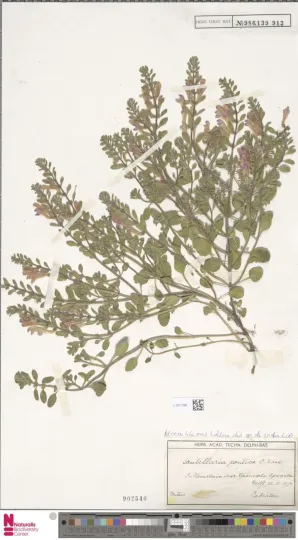
Description
Sowing dates
Scutellaria pontica is a perennial herb belonging to the Lamiaceae family. Sowing is typically performed in early spring when the soil temperature consistently reaches 10-12 degrees Celsius.
The seeds should be sown at a shallow depth of 1-2 centimeters, as they require sufficient contact with soil moisture for effective germination.
Seedlings usually emerge within two to three weeks. During this phase, it is crucial to keep the soil moist and free from competition with aggressive weeds.
A row spacing of 50-60 centimeters is recommended to facilitate mechanical weed control and provide sufficient air circulation between the plants.
The plant is known for its hardiness, showing high resilience to cold winters and an ability to regrow from its root system in the following season.
Growing requirements
Scutellaria pontica performs best in sunny locations, as exposure to full sunlight is essential for the synthesis of its active secondary metabolites.
It prefers well-drained soils with a light texture. Waterlogged conditions are detrimental and can quickly lead to root rot in poorly drained areas.
The optimal soil pH range for this species is neutral to slightly alkaline, generally between 6.5 and 7.5, which ensures nutrient bioavailability.
While the plant has a moderate tolerance for drought, consistent moisture during the peak growth season significantly improves overall biomass production.
Fertilization with organic compost is beneficial, particularly in poor soils, to encourage vigorous stem development and foliage growth.
Main diseases and pests
The primary threat to Scutellaria pontica is root rot, which typically develops in fields with poor drainage or during seasons of excessive rainfall.
Pests such as aphids can occasionally infest the plants, causing damage to young leaves and potentially reducing the overall quality of the harvested crop.
Integrated pest management strategies, such as crop rotation and maintaining proper plant spacing, are effective in minimizing disease incidence.
Using chemical pesticides is generally discouraged in medicinal herb farming to ensure the safety and purity of the final product for pharmaceutical use.
Regular field scouting allows for early detection of pests or pathogens, enabling targeted intervention before the damage spreads throughout the field.
Harvesting
Harvesting is performed during the peak flowering stage when the plant contains the highest concentration of active compounds required for extraction.
The aerial parts of the plant are harvested by cutting them about 10 centimeters above the soil surface, allowing the plant to recover and survive.
Immediate processing after harvest is necessary to preserve the plant's chemical integrity and prevent the degradation caused by heat and moisture.
Drying is typically conducted in well-ventilated facilities or automated dryers at controlled temperatures below 45 degrees Celsius to retain quality.
Proper storage involves keeping the dried product in moisture-proof containers in a cool, dark environment to extend its shelf life and potency.