
Scutellaria mexicana
Scutellaria mexicana
Description
Sowing dates
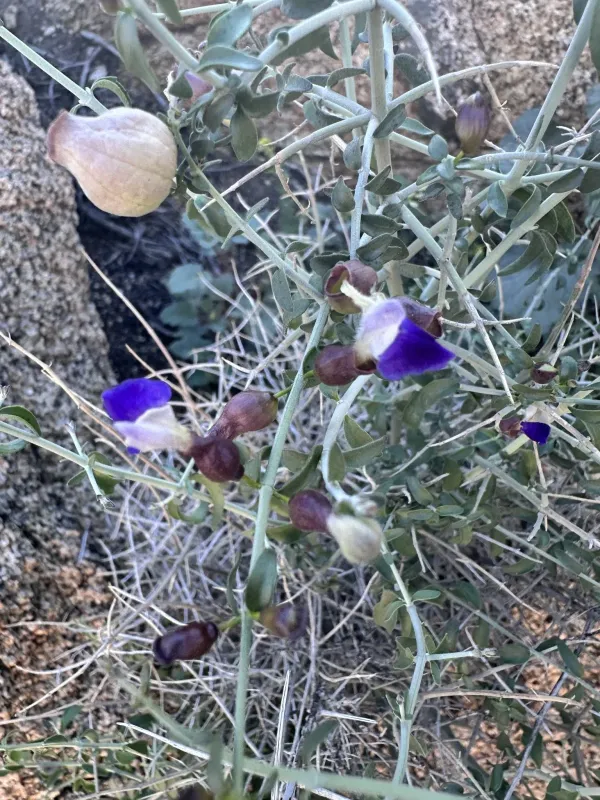
Scutellaria mexicana is a perennial plant belonging to the Lamiaceae family, primarily native to arid environments, which dictates specific sowing practices for commercial cultivation.
Seeds should be sown in late winter or early spring, as the plant requires exposure to fluctuating temperatures to break seed dormancy and ensure successful germination rates.
Surface sowing or shallow coverage with fine soil is essential, as the seeds are light-dependent for germination and will fail to emerge if planted too deep in the medium.
Row spacing should be maintained between 40 to 60 centimeters to allow for proper air circulation and to facilitate mechanical weeding in larger field settings.
When starting from seed in nurseries, it is recommended to use well-draining peat-based substrates to prevent early seedling mortality due to excess moisture or fungal infections.
Growing requirements
This species is highly adapted to arid and semi-arid conditions, requiring full sun exposure to thrive and produce the necessary secondary metabolites for its medicinal profile.
The ideal soil composition is sandy or gravelly loam with excellent drainage, as the plant is extremely sensitive to root rot triggered by waterlogged soil conditions.
While the species is drought-tolerant once established, supplemental irrigation is required during the first stages of growth to support root system development.
Soil pH levels should remain near neutral, between 6.5 and 7.5; the plant struggles in highly acidic or highly saline environments which negatively impact nutrient uptake.
Temperature tolerance is a hallmark of this plant, which can withstand intense summer heat but requires protection from severe frost or prolonged freezing temperatures in northern climates.
Main diseases and pests
Root rot, primarily caused by Pythium or Phytophthora species, is the most significant threat to the crop, especially in poorly drained soil or after heavy rainfall events.
Insects like spider mites may pose a threat during high-heat periods when plant stress is increased, potentially leading to leaf yellowing and reduced vegetative growth.
Damping-off diseases are common during the seedling stage, making it crucial to maintain moderate soil moisture levels and ensure adequate ventilation in nursery settings.
Weed management is critical as the plant is relatively slow to establish in the first few months, making it susceptible to competition from aggressive, fast-growing weeds.
Integrated pest management strategies focusing on physical removal and environmental control are preferred to preserve the medicinal quality of the harvested botanical material.
Harvesting
Harvesting should occur when the plants are in full bloom, which is the stage where the content of bioactive compounds is optimal for pharmaceutical and herbal extraction.
The aerial parts are harvested by cutting the stems several inches above the ground, which supports plant longevity and allows for potential multi-year harvesting cycles.
Post-harvest processing involves immediate drying in shaded, airy conditions to retain the plant's essential oils and prevent degradation of its color and active chemical components.
Care must be taken to remove any debris or discolored stems during the drying process to maintain high purity standards required for industrial and medicinal use.
The final dried product is typically stored in moisture-controlled containers in a dark environment to protect it from ultraviolet light and humidity during the storage phase.