
Skullcap
Scutellaria incana
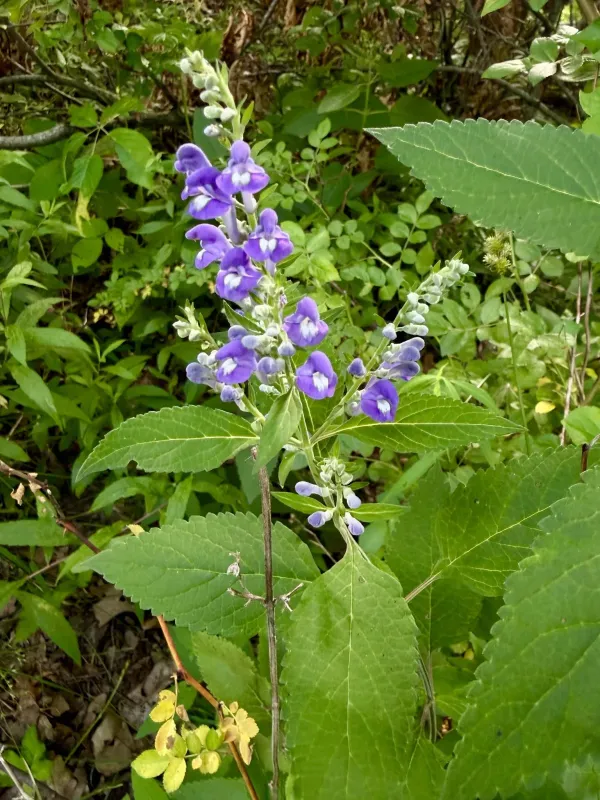
Description
Sowing dates
Scutellaria incana, commonly known as Downy Skullcap, is typically sown in early spring when soil temperatures stabilize between 10–12°C. For growers in temperate zones, autumn sowing is also a viable strategy as the seeds benefit from natural cold stratification to break dormancy.
Seeds should be sown at a shallow depth of 1–2 centimeters, as they are relatively small and require light for optimal germination. When establishing a commercial crop, maintaining row spacing of 45 to 60 centimeters is recommended to ensure adequate airflow and space for individual development.
Germination typically takes between 14 and 21 days depending on soil moisture levels and temperature. During the first year, the crop focuses on establishing a basal rosette, meaning weed control is essential to prevent competitive pressure from aggressive grasses and broadleaf weeds.
While direct seeding is common, greenhouse-grown transplants can significantly increase the success rate in regions with unpredictable spring weather. Transplanting ensures a uniform stand, which is vital for efficient mechanical harvesting in later stages.
Targeting a density of 50,000 to 70,000 plants per hectare provides the ideal balance between high yield potential and plant health. Proper planning at this stage reduces the need for thinning and improves the uniformity of the harvested biomass.
Growing requirements
Scutellaria incana belongs to the Lamiaceae family and is native to the woodlands and open fields of North America. It thrives in locations that offer full sun to partial shade, showing high adaptability to varying light conditions.
The plant prefers well-drained, fertile soil, ideally a sandy loam or silt loam with a neutral to slightly acidic pH. Poorly drained, heavy clay soils must be avoided as they pose a high risk of root rot during wet periods.
While established plants show good drought tolerance, regular irrigation is highly recommended during the peak growing season to maximize leaf and stem production. Consistent soil moisture ensures that the plant remains vigorous throughout its multi-year life cycle.
The species is known for its excellent winter hardiness, allowing it to survive frost and snow in temperate regions. In areas where winter cover is sparse, a light layer of mulch can help protect the crown and prevent soil heaving.
Nutrient management should be based on soil testing. A balanced fertilizer application in the spring helps stimulate early vegetative growth, while potassium-rich amendments in late summer promote better winter resilience and overall plant structure.
Yield
Yield potential in Downy Skullcap is largely determined by the maturity of the stand. The crop typically reaches its peak biomass production in the second and third year after establishment, providing a consistent supply of medicinal raw material.
Field maintenance, including routine cultivation between rows and weed management, is crucial for preserving productivity over the 4–5 year lifespan of the plantation. Neglecting these steps often leads to a rapid decline in harvested volume.
Harvesting efficiency is tied to the uniformity of the crop. Standardized planting techniques allow for predictable harvest timing, which is necessary for aligning with market demand and pharmaceutical processing schedules.
Environmental factors, such as summer rainfall patterns and heat stress, play a significant role in final yield. Advanced agronomic practices, such as localized irrigation, help buffer against these variables and stabilize annual output.
Monitoring the plant health and soil nutrient levels allows growers to maintain high yields without depleting the land, supporting a sustainable approach to large-scale medicinal herb production.
Main diseases and pests
Scutellaria incana is naturally robust, but excessive moisture is its primary enemy. Root and crown rot are the most frequent threats, particularly in soils that lack proper drainage or during excessively rainy growing seasons.
Fungal diseases like powdery mildew can appear when plants are spaced too closely or when high humidity is combined with poor airflow. Maintaining correct plant density is the most effective preventative measure against such issues.
Insect pests are generally a minor concern; however, leaf-eating larvae can occasionally affect young plants. If intervention is required, integrated pest management (IPM) focusing on biological controls is preferred to preserve the quality of the pharmaceutical harvest.
Early identification of signs of stress, such as yellowing foliage or wilting, is essential. Regular scouting of the fields allows for rapid response, preventing localized infections from spreading throughout the entire crop.
Good field hygiene, including the removal of diseased plant debris at the end of the season, significantly reduces the likelihood of overwintering pathogens and ensures a healthier crop in the subsequent year.
Harvesting
The harvest must be timed precisely with the peak flowering phase. This is the stage when the concentration of flavonoids and other bioactive compounds in the aerial parts is at its highest, ensuring the material meets industrial standards.
Harvesting is performed by cutting the stems at a height of 5–10 centimeters above the soil line. Using sharp equipment ensures a clean cut, which promotes faster recovery for future growth and reduces mechanical stress on the root system.
Post-harvest handling must be swift. The cut plant material should be transported to the drying facility immediately to prevent temperature spikes or fermentation, both of which can degrade the chemical quality of the herb.
Drying occurs in controlled conditions at temperatures not exceeding 45°C. This gentle process preserves the volatile components and antioxidants that define the therapeutic value of the plant, preventing oxidation and loss of potency.
After reaching the target moisture content, the dried material should be processed or packaged for storage in dark, climate-controlled environments. Proper storage is vital to extend the shelf life and preserve the high quality of the final product.