
Skullcap
Scutellaria hastifolia
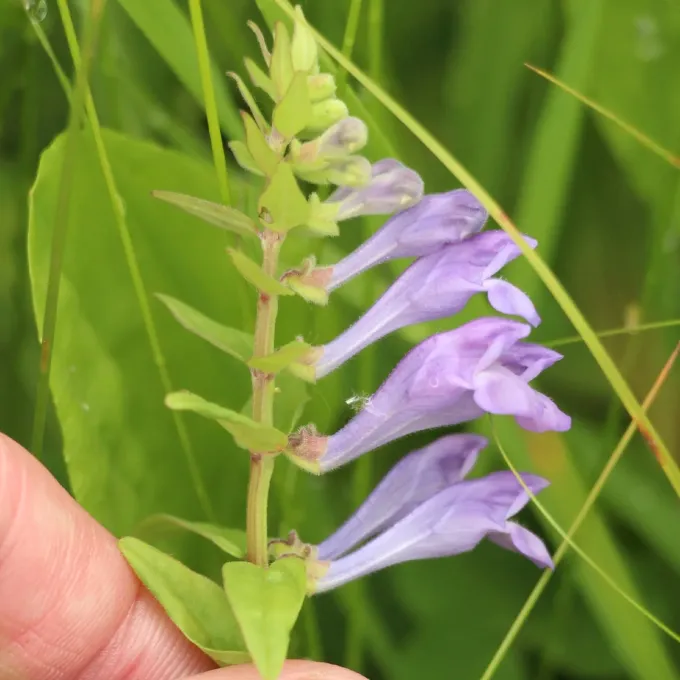
Description
Sowing dates
Sowing of Scutellaria hastifolia is best performed in the spring when soil temperatures reach 8–10 degrees Celsius. Seeds require stratification to break dormancy, making autumn sowing a highly effective method for ensuring uniform emergence in the following spring.
The seeds are small and should be planted at a shallow depth, typically 1–2 centimeters deep. Utilizing a loose, well-draining seedbed is crucial for allowing the delicate sprouts to push through the soil surface without excessive resistance.
Row spacing should be maintained at 40 to 50 centimeters to facilitate adequate air circulation and allow for mechanical weed control. Proper spacing is essential to minimize disease pressure and ensure that each plant has access to sunlight.
For greenhouse-started plants, seeds are sown in late winter. Seedlings are transplanted into the field once the danger of frost has passed, ensuring they are strong enough to establish themselves before the onset of summer heat.
Consistent soil moisture is vital during the germination phase. Any significant dry spell during the first few weeks can result in poor stand establishment, highlighting the need for controlled irrigation if natural rainfall is insufficient.
Growing requirements
Scutellaria hastifolia, belonging to the Lamiaceae family, thrives in full sun exposure. Adequate light is necessary to stimulate the synthesis of essential oils and bioactive compounds that define the plant's medicinal value.
The plant prefers light, sandy or loamy soils with excellent drainage. Waterlogged soil leads to root rot and other pathogen issues, so selecting a site with natural elevation or slope is highly recommended for commercial production.
While the species is hardy, it benefits from a temperate climate with moderate humidity. In regions with harsh winters, a light mulch layer can protect the crown and root system from extreme fluctuations in temperature.
Soil fertility management should focus on organic amendments. Applying well-rotted compost prior to planting enhances the soil structure and provides a slow-release source of nutrients that supports robust vegetative growth.
Though it can tolerate varied conditions, the plant responds well to consistent moisture levels during the peak growing season. Regular, deep watering is preferred over frequent shallow irrigation to encourage deep root penetration.
Main diseases and pests
Fungal diseases are the primary threat to Scutellaria, especially in conditions of poor air circulation and high humidity. Powdery mildew can quickly spread across leaves, negatively impacting both the health and quality of the harvest.
Common pests like aphids and spider mites may infest the crop during dry, hot spells. Integrated Pest Management (IPM) strategies, including the use of neem oil or natural predators, are recommended to control infestations without compromising the organic status of the crop.
Root rot is typically associated with poor drainage and excessive watering. Once established, this pathogen is difficult to treat, making prevention through soil preparation and careful irrigation the most effective management tool.
Weed competition is a significant concern during the first year of establishment. Manual or mechanical weeding between rows is necessary to prevent weeds from suppressing the slow-growing seedlings, which are easily overtaken in their early stages.
Crop rotation is essential for maintaining soil health and minimizing the buildup of soil-borne pathogens. A minimum three-year rotation cycle is recommended, avoiding other Lamiaceae family members in the same plot.
Harvesting
The harvest should occur at the peak of the flowering stage, typically in mid-summer. This timing ensures that the concentration of secondary metabolites, such as scutellarin, is at its absolute maximum for industrial use.
Plants are cut at a height of 5–10 centimeters above the soil surface. This careful harvesting technique allows the plant to potentially regrow for a second harvest or ensures a healthy dormant root system for the next season.
Immediately after cutting, the biomass must be transferred to a dark, well-ventilated drying shed. Drying temperatures should be strictly controlled, ideally remaining below 40 degrees Celsius to prevent the degradation of heat-sensitive compounds.
Once dried, the plant material is threshed or milled to the required particle size for commercial distribution. Proper processing is critical for maintaining the vibrant green color and chemical profile of the final product.
Finished herbal products should be stored in airtight containers, kept in a cool and dry location. This storage protocol prevents moisture absorption and oxidation, ensuring the crop remains shelf-stable for an extended period.