
Scrophularia trifoliata
Scrophularia trifoliata
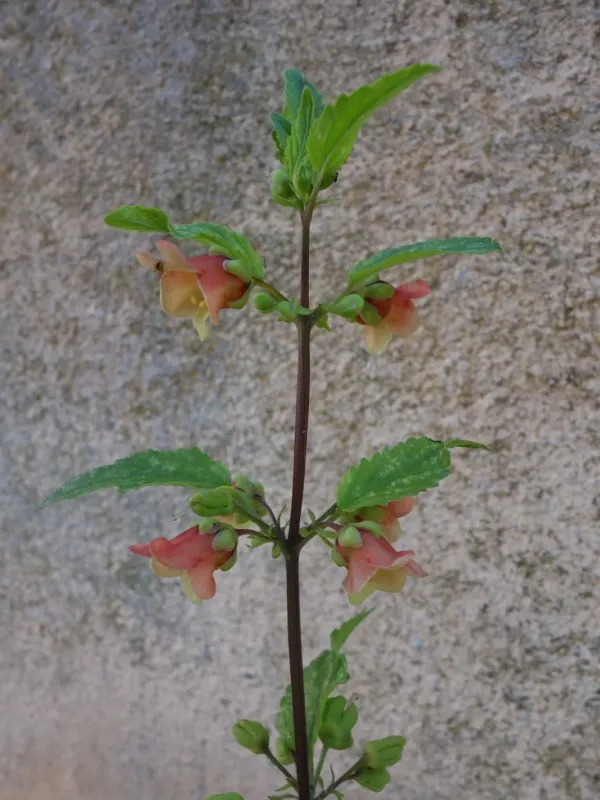
Description
Growing requirements
Scrophularia trifoliata is a perennial herbaceous plant belonging to the Scrophulariaceae family. This species is an island endemic, primarily native to the Mediterranean region, including Sardinia, where it grows in rocky habitats and calcareous soils.
The cultivation of this crop requires a Mediterranean-like climate characterized by mild winters and warm, sunny growing seasons. It thrives in well-drained soils, preferably those with a high mineral content and a neutral to slightly alkaline pH, typical of limestone regions.
In terms of light exposure, Scrophularia trifoliata performs best under full sunlight, although it can tolerate partial shade in hotter climates to prevent leaf scorch. Proper site selection is crucial to ensure that the plants have adequate light for healthy development.
Moisture management is a key factor in the plant's success. While it needs regular hydration during its peak growth phase, waterlogging must be strictly avoided. The root system is prone to decay if kept in wet, stagnant conditions for extended periods.
Botanically, the plant is distinguished by its trifoliate leaves, a feature that separates it from many other members of the figwort genus. Its upright growth habit and specialized inflorescences make it a biologically significant plant within its local ecosystem.
Main diseases and pests
The most common threats to the cultivation of Scrophularia trifoliata are fungal pathogens that affect the roots and lower stems. These issues are almost always correlated with poor soil drainage and high ambient humidity that persists after rain or irrigation.
Insect pests, including various aphids and leaf-chewing larvae, represent a secondary threat. These organisms can weaken the plant by feeding on leaves and soft tissues, potentially opening entry points for opportunistic secondary fungal infections.
To maintain plant health, cultural control methods such as wide plant spacing and regular weeding are essential. These practices ensure adequate air circulation, which helps keep the foliage dry and prevents the build-up of pathogenic spores.
Integrated pest management (IPM) should be applied to minimize the impact of insects while preserving the balance of the local environment. Scouting for early signs of leaf discoloration or wilting allows for quick corrective actions before an infestation becomes severe.
Soil management plays a preventive role in disease control. By ensuring that the soil structure is friable and the pH is maintained within the preferred range, the grower increases the natural resilience of the plants against typical soil-borne pathogens.