
Scrophularia scorodonia
Scrophularia scorodonia
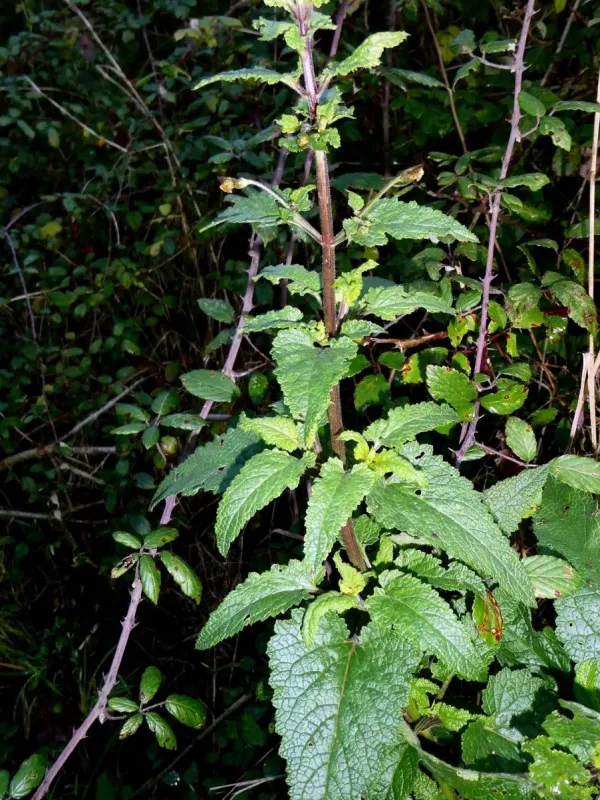
Description
Sowing dates
Sowing Scrophularia scorodonia is typically performed in early spring once soil temperatures have consistently risen above 10 degrees Celsius for optimal germination.
The seeds are relatively small, which requires careful surface sowing techniques, ensuring they are only lightly covered with soil to facilitate light-dependent sprouting.
For greenhouse cultivation, sowing in modular trays allows for better control over the environment and ensures higher survival rates before transplanting outdoors.
Spacing between rows should be maintained at 40-50 centimeters to allow for proper airflow and to simplify maintenance tasks throughout the growing season.
It is advisable to keep the seedbed consistently moist during the germination period, as drying out can lead to uneven seedling emergence and plant density.
Growing requirements
This species thrives in moist, well-drained soils rich in organic matter, reflecting its natural habitat preference for damp woodlands and stream banks.
While tolerant of various light conditions, it performs best in partial shade, where the foliage is protected from the intensity of midday sun exposure.
Water management is critical; the plants require a steady supply of moisture during the summer months to sustain their rapid growth and large leaf development.
Soil pH should remain within the slightly acidic to neutral range (6.0-7.0) to ensure the availability of essential micronutrients for plant health.
The plant is considered moderately hardy but benefits from a sheltered location that prevents damage from strong winds and heavy rainfall during the growing phase.
Main diseases and pests
Powdery mildew is the most frequent fungal pathogen, particularly in locations with stagnant air, necessitating regular thinning of the plant canopy.
Root rot remains a major concern in heavy or waterlogged soils, making the use of raised beds or improved drainage systems a vital preventative measure.
Insects such as aphids and leaf miners can cause significant cosmetic and physiological damage if populations remain unchecked throughout the peak growing season.
Integrated pest management strategies, such as the introduction of beneficial predatory insects, are recommended over reliance on harsh chemical interventions.
Maintaining clean borders and removing dead plant debris at the end of the season helps to reduce overwintering sites for both pests and fungal spores.
Harvesting
The medicinal harvest is performed when the plants reach the peak of their flowering cycle, as this correlates with the highest concentration of phytochemicals.
Leaves and flowering stems are hand-picked or cut with disinfected shears to ensure clean wounds that heal quickly without encouraging rot or pathogen entry.
Prompt post-harvest processing is essential; drying should commence immediately to preserve the integrity of the plant compounds and prevent enzymatic breakdown.
Drying in shaded, climate-controlled environments with good air exchange is necessary to ensure the final product retains its color, aroma, and therapeutic properties.
Once dried, the botanical material should be packed into airtight, opaque containers to prevent moisture re-absorption and degradation from light exposure.