
Scrophularia sambucifolia
Scrophularia sambucifolia
Description
Sowing dates
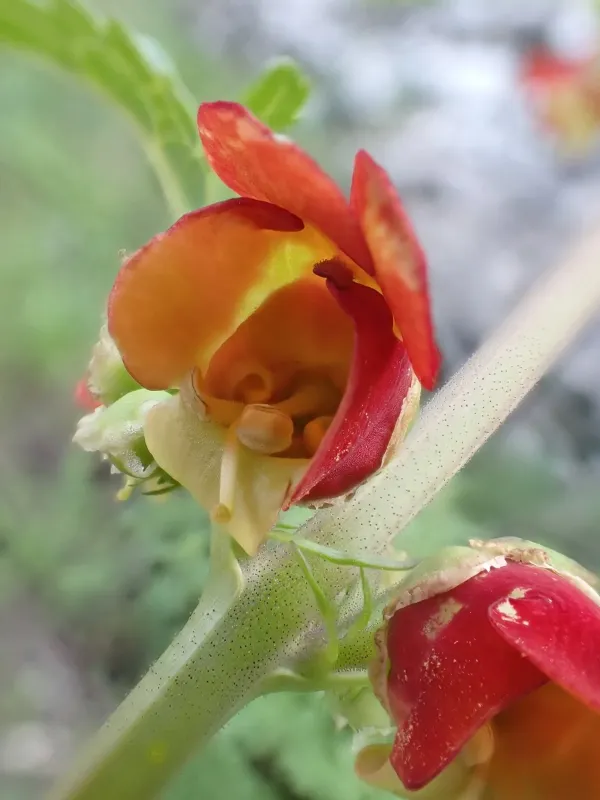
Scrophularia sambucifolia, commonly known as a type of figwort, is a herbaceous perennial that belongs to the Scrophulariaceae family.
The seeds possess good germination potential, making late autumn planting ideal to benefit from natural stratification during the winter season.
For spring sowing, seeds should be sown in prepared soil at a depth of 0.5 to 1 cm, ensuring that they remain close to the light surface.
Field spacing is essential; a recommended distance of 40–50 cm between rows facilitates better plant aeration and mechanical weeding.
Vegetative propagation via rhizome division is a viable alternative for establishing new plantations, often leading to more vigorous growth.
Growing requirements
This crop thrives in sunny locations with well-drained, fertile soil that retains moisture without becoming waterlogged.
Neutral to slightly acidic soil pH levels are optimal for the nutrient uptake required for the plant's structural and chemical development.
Adequate water management is crucial; while the plant is robust, prolonged drought periods necessitate irrigation to maintain biomass production.
Proper drainage is paramount to prevent root-related issues, especially in heavier loam or clay-based soil types used for large-scale farming.
Winter hardiness is a notable trait, though mulch application can protect the root crown in regions with severe, snowless winters.
Yield
The economic yield of Scrophularia sambucifolia is determined by the harvest of both aerial parts and root systems for industrial use.
Yield capacity typically peaks during the second and third years of cultivation as the root mass matures and stabilizes.
Proper nitrogen and phosphorus supplementation during the early growth stages significantly improves the total biomass output per hectare.
The crop's long-term viability allows for consistent harvests over several years, enhancing the overall profitability of the field.
Monitoring the plant density is key to ensuring that every individual plant has enough space to maximize root and foliage development.
Main diseases and pests
Fungal diseases, particularly those affecting leaves during humid summer conditions, represent the most common threat to crop health.
Powdery mildew can quickly spread if there is insufficient airflow between plants, requiring timely preventative cultural interventions.
Insects such as aphids and specialized leaf-eating beetles can cause significant defoliation, reducing the plant's photosynthetic capacity.
Root rot is a persistent risk in improperly drained soil, which can lead to rapid plant mortality in dense field plantings.
- Regular inspection of the field.
- Application of organic pest control.
- Maintaining soil drainage.
Harvesting
The aerial parts are harvested during peak flowering, which is the stage that yields the highest concentrations of desired compounds.
Drying must be conducted in shaded, well-ventilated areas to prevent degradation of heat-sensitive active ingredients within the plant.
Roots are harvested in the late autumn after the foliage has died back, ensuring the energy is stored in the underground storage organs.
Post-harvest cleaning is vital; roots must be washed free of soil debris and dried rapidly to prevent mold growth during storage.
The final product should be stored in cool, dry conditions in breathable packaging to maintain product quality for pharmaceutical end-users.