
Scrophularia rubricaulis
Scrophularia rubricaulis
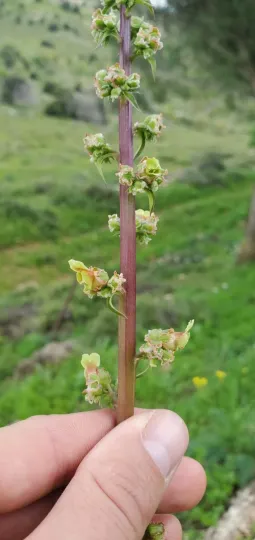
Description
Sowing dates
Scrophularia rubricaulis is a perennial herbaceous plant belonging to the Scrophulariaceae family. Originating from the mountainous regions of Western Asia, this species has adapted to rocky, well-drained slopes, making it a unique candidate for specific agricultural conditions.
Seeding is typically conducted in early spring once the soil temperature consistently reaches 10-12 degrees Celsius. The seeds require stable moisture levels and, in colder regions, a period of stratification is beneficial to ensure uniform and rapid germination rates.
For industrial cultivation, spacing between rows should be maintained at 45-60 cm. This distance allows for optimal development of the root system and simplifies weeding processes, which are critical during the plant's slow-growing first year.
The plant initially forms a basal rosette of leaves before transitioning to produce the characteristic reddish stalks that give it its specific name. Ensuring sufficient space and light prevents competition from weeds, which could otherwise stunt the plant's development.
Vegetative propagation via rootstock division is an alternative to seeding. This method is highly efficient for smaller plots, as it guarantees the preservation of specific traits and accelerates the establishment of new planting areas.
Growing requirements
This species thrives in light, well-drained, and aerated soils. It prefers neutral to slightly alkaline pH levels. Heavy, waterlogged soils are unsuitable, as they significantly increase the risk of root rot, which is a major concern for the Scrophularia genus.
Scrophularia rubricaulis is a light-demanding plant. It requires full sun exposure to maximize the synthesis of bioactive compounds. Reduced light availability often results in stunted growth and a significant decrease in the final medicinal quality of the harvested material.
While the plant is hardy, it requires protection in regions with harsh winters. Applying mulch or using synthetic covers can protect the perennial roots from deep frost, ensuring the survival of the plant and its vigor in the following spring.
Water management must be precise. The plant requires regular, moderate irrigation during its peak growth phase. However, excessive irrigation must be avoided, particularly during the flowering stage, to prevent moisture-induced fungal infections.
Fertilization should be focused on phosphorus and potassium to strengthen the reddish stems and improve overall plant resilience. Nitrogen should be used sparingly to avoid excessive leafy growth at the expense of root and chemical compound development.
Yield
Yield potential increases as the plantation matures, typically reaching its peak in the second or third year. Proper management during the initial stages is crucial for long-term productivity and overall biomass output.
The main harvest consists of the aerial parts, collected during the mass flowering stage. This is when the concentration of glycosides and saponins is highest, providing the best quality raw material for the pharmaceutical industry.
Roots can also be harvested for industrial use, usually at the end of the second year. Excavation should be performed in autumn after the aerial part has withered or in early spring, using specialized root-harvesting machinery.
Average yield for dry biomass ranges between 1.5 and 2.5 tons per hectare, depending on soil fertility, climate, and agrotechnical consistency. Strategic fertilization can optimize these numbers and ensure consistent production cycles.
Plantations should be rejuvenated every 4-5 years. Over time, the density of the stalks and the intensity of the active ingredients tend to decline, making periodic crop rotation or replanting a necessary step for maintaining economic viability.
Main diseases and pests
The primary insect threats include various leaf beetles and aphids, which target the tender leaves and developing buds. Integrated pest management, including biological controls, is highly recommended to protect the quality of the harvested crop.
Root rot is the most serious disease, often triggered by poor drainage or excessive humidity. Once identified, affected areas must be isolated to prevent the spread of the pathogen throughout the entire field, potentially leading to total loss.
Powdery mildew can be a problem during the second half of the summer, especially if there are significant fluctuations in humidity and temperature. Ensuring good air circulation by maintaining adequate spacing is a fundamental preventive measure.
Nematodes may pose a subterranean threat, damaging the root system and impairing nutrient uptake. Crop rotation with non-host plants is essential to mitigate the buildup of nematode populations in the soil over time.
Regular field scouting is essential. Identifying signs of stress, such as yellowing leaves or wilting, at an early stage allows for targeted intervention, minimizing the need for broad-spectrum pesticides and protecting the ecological balance.
Harvesting
Harvesting the aerial biomass is best achieved with mechanical harvesters set at a specific height. Cutting too close to the ground can damage the crown, which might reduce the plant's ability to regenerate in subsequent seasons.
Once harvested, the raw material must be transported immediately to the drying facility. Prolonged storage in large piles can cause overheating, which degrades the plant's chemical profile and reduces its value for medicinal use.
Drying should be conducted at temperatures not exceeding 50 degrees Celsius in ventilated rooms. Controlled drying preserves the natural color of the leaves and ensures the stability of the active medicinal compounds.
Roots require thorough cleaning and washing to remove soil residues. They should be mechanically sliced to facilitate uniform drying, which prevents molding and ensures long-term stability during the storage process.
Storage must be in a cool, dry, and dark environment with excellent airflow. Proper packaging and environmental control are the final steps in ensuring that the quality of Scrophularia rubricaulis is maintained until it reaches the final processor.