
Scrophularia ramosissima
Scrophularia ramosissima
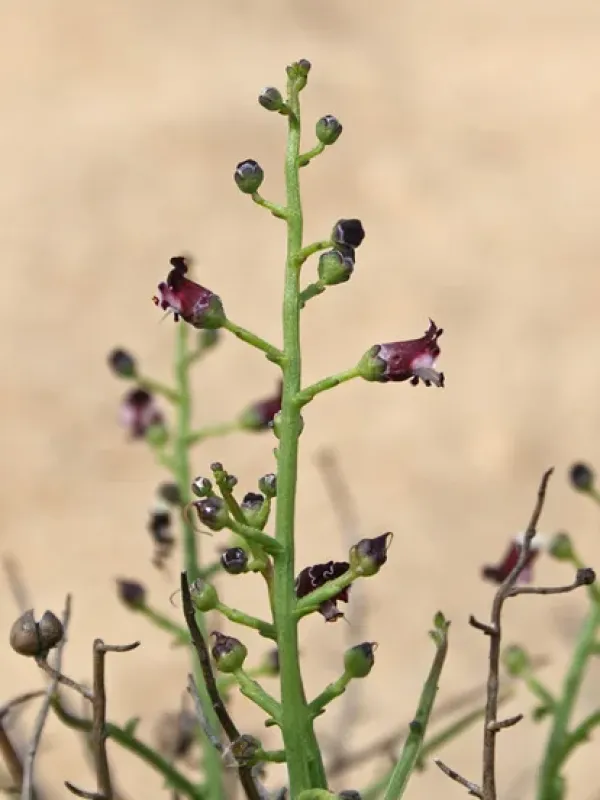
Description
Growing requirements
Scrophularia ramosissima is a member of the Scrophulariaceae family, known for its branched stems and resilience in harsh environments. As a perennial herb, it exhibits distinct morphological traits suited for dry, exposed habitats.
The native distribution of this species covers Mediterranean climates and arid regions of Western Asia. It typically thrives in open landscapes, rocky slopes, and sandy soils where it receives an abundance of natural sunlight throughout the season.
Regarding soil requirements, the plant prefers light, sandy substrates with a neutral to slightly alkaline reaction. The most critical factor for success is excellent drainage, as the root system is highly susceptible to rot if water remains stagnant for extended periods.
Cultivation practices focus on mimicking its natural dry environment. It requires minimal irrigation once the plants are established. Over-fertilization should be avoided, as the species is adapted to nutrient-poor soils and may lose its structural integrity if forced with excessive nitrogen.
This plant is often valued for its chemical constituents. Commercial or home use requires strict adherence to harvesting cycles to ensure the highest concentration of phytochemicals in the tissues, which is typical for Scrophularia species.
Main diseases and pests
The primary threats to this plant are soil-borne fungal pathogens, particularly those causing root rot. Excessive moisture combined with high ambient humidity significantly increases the risk of infection, especially during the early growth stages.
Insect pests include aphids and mites, which primarily target the succulent tips of the branches. Regular inspection of the foliage is essential to prevent large-scale infestations that could hinder the plant's overall development and harvest quality.