
Scrophularia racemosa
Scrophularia racemosa
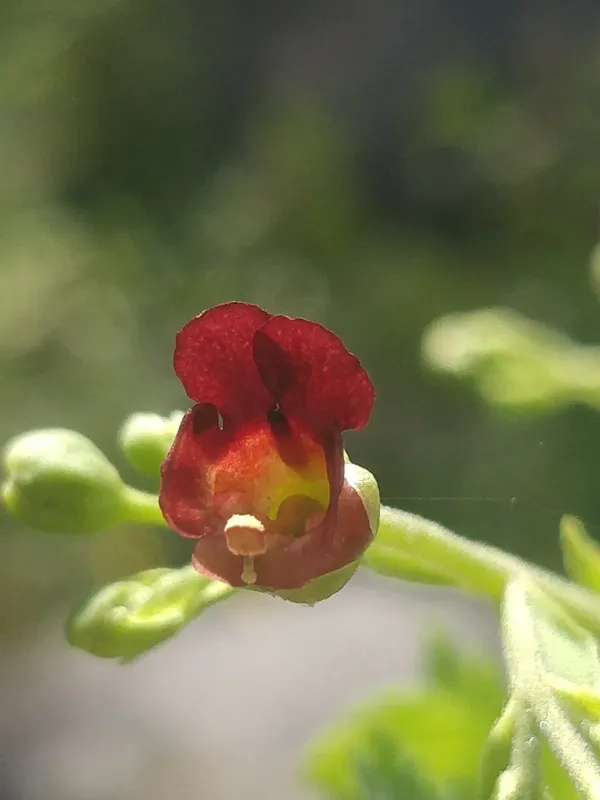
Description
Growing requirements
Scrophularia racemosa is a perennial herbaceous plant belonging to the Scrophulariaceae family. Native to mountain regions of Central Asia, this plant has adapted to survive in diverse environmental conditions ranging from valleys to alpine slopes.
Botanically, the plant is characterized by a robust central stem and elongated leaves. Its distinct inflorescence, structured as a raceme, is a key diagnostic feature that distinguishes it from other species within the genus Scrophularia.
Successful cultivation requires soil that is rich in organic matter and possesses excellent drainage properties. The crop thrives in loamy soils where nutrient availability is high, ensuring vigorous development of the root system throughout the growing season.
The plant requires moderate sunlight exposure, ideally in open fields that are shielded from heavy winds. Maintaining an ambient temperature between 18 and 22 degrees Celsius is crucial for optimizing metabolic processes and overall biomass accumulation.
Commercially, Scrophularia racemosa is valued for its pharmacological properties. The rhizomes of the plant are harvested to extract complex secondary metabolites, including glycosides and saponins, which are essential components in the formulation of various herbal medicines.
Main diseases and pests
The most significant threats to the crop include various forms of root and stem rot, which are often triggered by waterlogged conditions. Implementing efficient irrigation management and ensuring proper soil aeration are the primary strategies to mitigate these risks.
Pests such as aphids and mites may occasionally infest the foliage, particularly during dry spells. Growers are advised to utilize integrated pest management (IPM) practices, including mechanical weeding and the introduction of natural predators, to maintain the purity of the medicinal crop.