
Scrophularia pinardii
Scrophularia pinardii
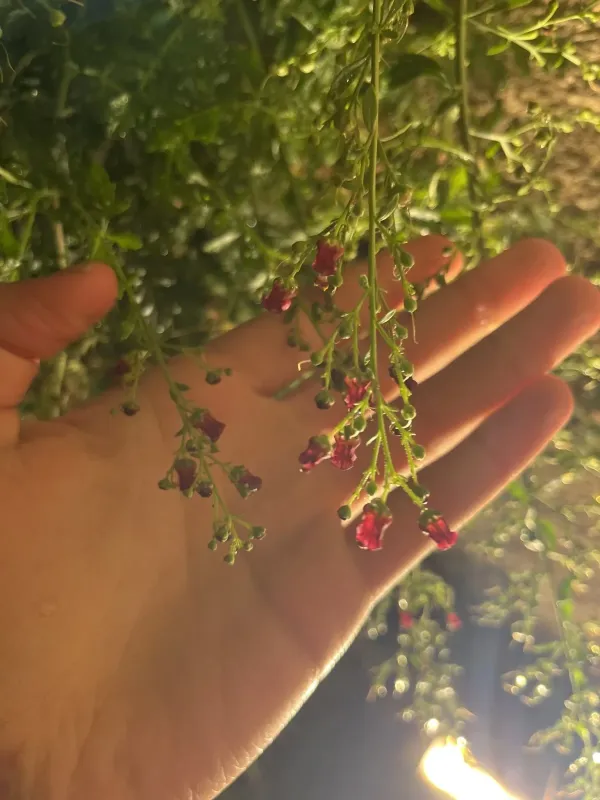
Description
Growing requirements
Scrophularia pinardii is a perennial herbaceous plant belonging to the Scrophulariaceae family. Native to mountainous terrain, it has evolved to survive in challenging environments where soil quality and moisture levels fluctuate significantly throughout the year.
Cultivation of this species requires well-drained soil, preferably of a stony or sandy composition. It is essential to avoid sites prone to waterlogging, as the plant's root system is susceptible to decay if kept in constantly wet conditions, despite its inherent hardiness.
The plant thrives in full sun, which is necessary for the development of its chemical compounds and overall vigor. In limited sunlight, the stems tend to weaken, and the plant fails to reach its full productive potential, making site selection critical for successful yields.
Adaptability to temperature extremes is a defining characteristic of this species. It performs best in regions with high diurnal temperature variation, mirroring its natural high-altitude habitat. Careful monitoring of the soil pH is recommended, aiming for a neutral balance to ensure optimal nutrient uptake.
For sustainable crop production, implementing a light fertilization schedule during the early spring growth phase is recommended. Maintenance tasks such as weeding and light mulching will help preserve soil moisture without creating excessive humidity around the root collar.
Main diseases and pests
Fungal diseases remain the most significant threat to the health of Scrophularia pinardii, especially when cultivated in dense stands. Excessive moisture levels often trigger root and crown rot, which can destroy the entire plant if left unaddressed by drainage improvement.
Aphids represent a recurring issue, clustering on the tender new growth during the peak of the growing season. Their feeding behavior results in stunted growth and deformed leaves, which can reduce the overall health and yield of the plant population significantly.
Powdery mildew often manifests during humid, stagnant air conditions. The infection appears as a white, dusty layer on leaves, which hampers photosynthesis and reduces the plant's ability to store energy for the winter dormant season.
Leaf-eating caterpillars can cause substantial damage in a short timeframe if the pest population goes uncontrolled. Integrated pest management, involving regular scouting and the use of eco-friendly biological agents, is the best strategy for control.
Root-knot nematodes may present a challenge, particularly in areas where crop rotation practices have been overlooked. To mitigate this risk, it is essential to ensure that the site is free of previous infections and to use resistant planting stock whenever available.