
Scrophularia peregrina
Scrophularia peregrina
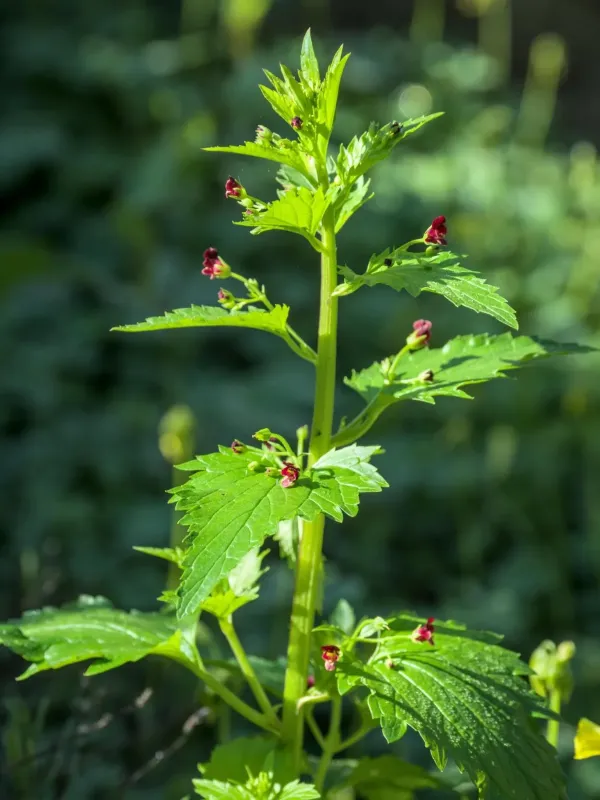
Description
Sowing dates
Scrophularia peregrina, a member of the Scrophulariaceae family, is an annual herb. Sowing typically begins in the spring when soil temperatures consistently reach at least 10-12 degrees Celsius to ensure healthy germination.
For large-scale cultivation, drilling seeds into prepared beds is common practice. Given the small size of the seeds, they should be sown shallowly, ensuring they remain in contact with moist soil for optimal development.
Some growers utilize indoor nursery trays to produce seedlings before transplanting them into the field. This method significantly improves survival rates and provides a more uniform plant distribution across the area.
Spacing is a critical factor in the management of this species. Proper row intervals prevent nutrient competition and allow the plants to develop the necessary biomass for medicinal harvesting purposes.
Regular monitoring during the germination stage is essential. Keeping the seedbed weed-free during the first weeks of growth is the most important step for successfully establishing the crop cycle.
Growing requirements
The plant thrives in well-drained, fertile soil. It performs best in loamy substrates with high organic content, which provide the necessary nutrients for robust growth during the vegetative phase.
Sunlight is a key requirement for Scrophularia peregrina. It requires full sun exposure to reach its full potential, as shading can lead to thin, weak stems and reduced concentrations of secondary metabolites.
Climate needs are moderate; the plant prefers steady temperatures without extreme fluctuations. Adequate irrigation is necessary during dry spells, but waterlogging should be strictly avoided to prevent root diseases.
The soil should be kept aerated through consistent cultivation and mechanical hoeing. This practice not only aids in water penetration but also helps manage potential weed growth that competes with the crop.
Fertilization regimes should focus on balanced nutrient application. Over-application of nitrogen might encourage excessive foliage growth at the expense of floral development, which is undesired for commercial production.
Main diseases and pests
The primary threats include fungal pathogens that thrive in humid environments. Root rot and powdery mildew are the most common challenges that can jeopardize plant health during high-humidity periods.
Insects like aphids and leaf-eating beetles can cause significant damage to the plant structure. These pests weaken the host plant, making it more susceptible to environmental stress and secondary infections.
Integrated pest management (IPM) strategies are recommended. This includes crop rotation, maintaining field hygiene, and using natural predators or organic sprays whenever possible to mitigate insect populations.
Maintaining proper spacing between plants is a key preventive measure against disease. Improved airflow through the crop canopy reduces the moisture content around the leaves, thereby limiting fungal spread.
Regular inspection of the fields allows for early detection of potential outbreaks. Rapid intervention is crucial to prevent minor issues from escalating into widespread problems that could impact the overall harvest.
Harvesting
Harvesting should coincide with the peak flowering phase of the plant. At this point, the chemical composition of the plant is at its highest, providing the best quality raw material for medicinal applications.
The harvest involves cutting the aerial parts of the plants at a specific height above the ground. This ensures that the biomass is clean and free of soil contaminants, which is vital for post-harvest processing.
Drying the material is a critical step to preserve its active constituents. It should be conducted in shaded, well-ventilated areas where air circulation is sufficient to remove moisture without damaging the plant tissues.
Temperature control during the drying process is essential. Maintaining a temperature below 45 degrees Celsius helps preserve the delicate compounds and prevents the degradation of the plant material during storage.
Once dried, the crop should be stored in a dry, cool, and dark environment. Proper packaging ensures that the product retains its efficacy and is protected from external contaminants or fluctuations in humidity.